Group 3 | Station 17C
Wiener Straße
Wiener Straße runs from the main square to the Neumarkter Tor (former north fortified gate).
The street is lined by some interesting buildings of historical importance.
Wiener Straße 1
The corner house, with a Late-Medieval core, was given a Biedermeier facade in the 18th century. The facade is structured by string courses, a profiled crowning cornice, and an eaves moulding. The windows feature straight sill and hood mouldings, as well as parapet panels with diamond-shaped appliqués. The wrought-iron grille of the portal on Wiener Straße was created around 1910. The wrought-iron balcony railing facing the square dates from the same period. On the side facing Pfarrplatz, there is a veranda-like extension with a terrace. Later inserted was the pointed-arched biforate window from the early 14th century with a Romanesque column.
Wiener Straße 3
The building was constructed in 1769 by the Collegiate Chapter of St Bartholomä as the cantor’s house, incorporating Medieval masonry. From 1780 it served as a schoolhouse. In the 1950s it was adapted for use as the municipal office. The detached building, with a narrow south-western annex, is covered by a hipped roof. The Late-Historicist facade dates from 1876. In the rooms of the ground and basement floors in the older northern part, Medieval barrel and groin vaults have been preserved.
At Wiener Straße 3 (Parish Church)
The parish church is a Romanesque pillar basilica with two massive west towers from the 12th century, extended in the 14th century by the long chancel and later altered several times. In the chancel-end windows are important Late-Romanesque stained-glass paintings. Numerous relief-decorated gravestones and slabs are preserved.
At Wiener Straße 3 (The Former Round Charnel-House Portal)
In front of the church stands a Romanesque portal as a reminder of the former round charnel house from the late 12th century, which once stood near the church within the cemetery. In 1845, the charnel house was demolished “as an obstacle to traffic”. Its portal was preserved and at first displayed as an exhibit in the municipal lapidarium. It was later incorporated as the entrance door to the council chamber in the former town hall (Wiener Straße 3), which also served as the registry office. It now stands once again near its original location.
Wiener Straße 4
The Art Nouveau house with elements of the Heimatstil was built in 1901–02 to the designs of Georg Wünschmann.
Wiener Straße 6
The Provost’s House is an irregular quadrangular building with an arcaded courtyard. The core of the south-eastern corner is a tower base from the 13th century; the south and east wings date from the 15th century, while the three-storey arcades in the courtyard were added in the 17th century. Alterations and facade design were carried out in 1777.
Wiener Straße 13
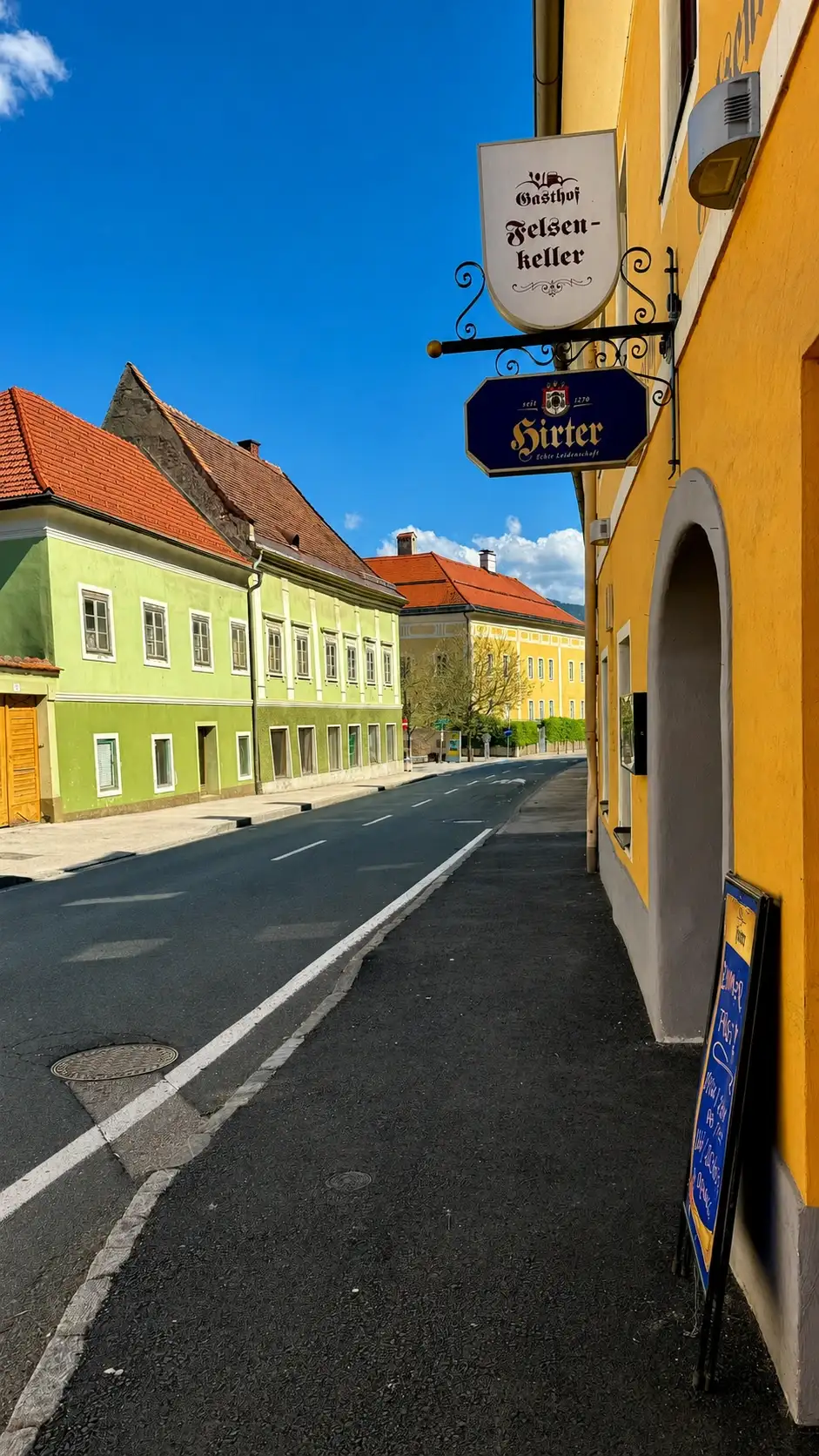
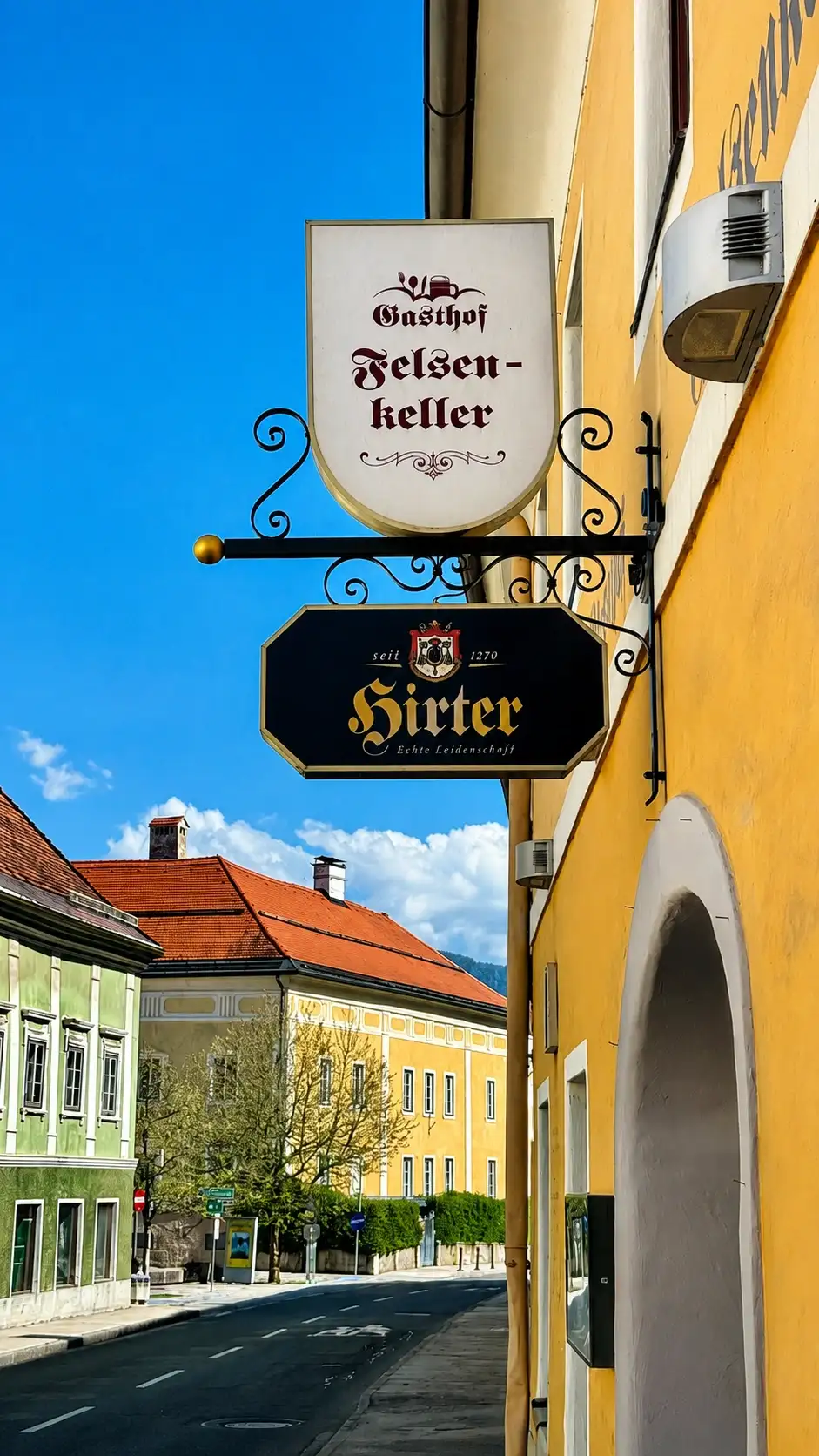
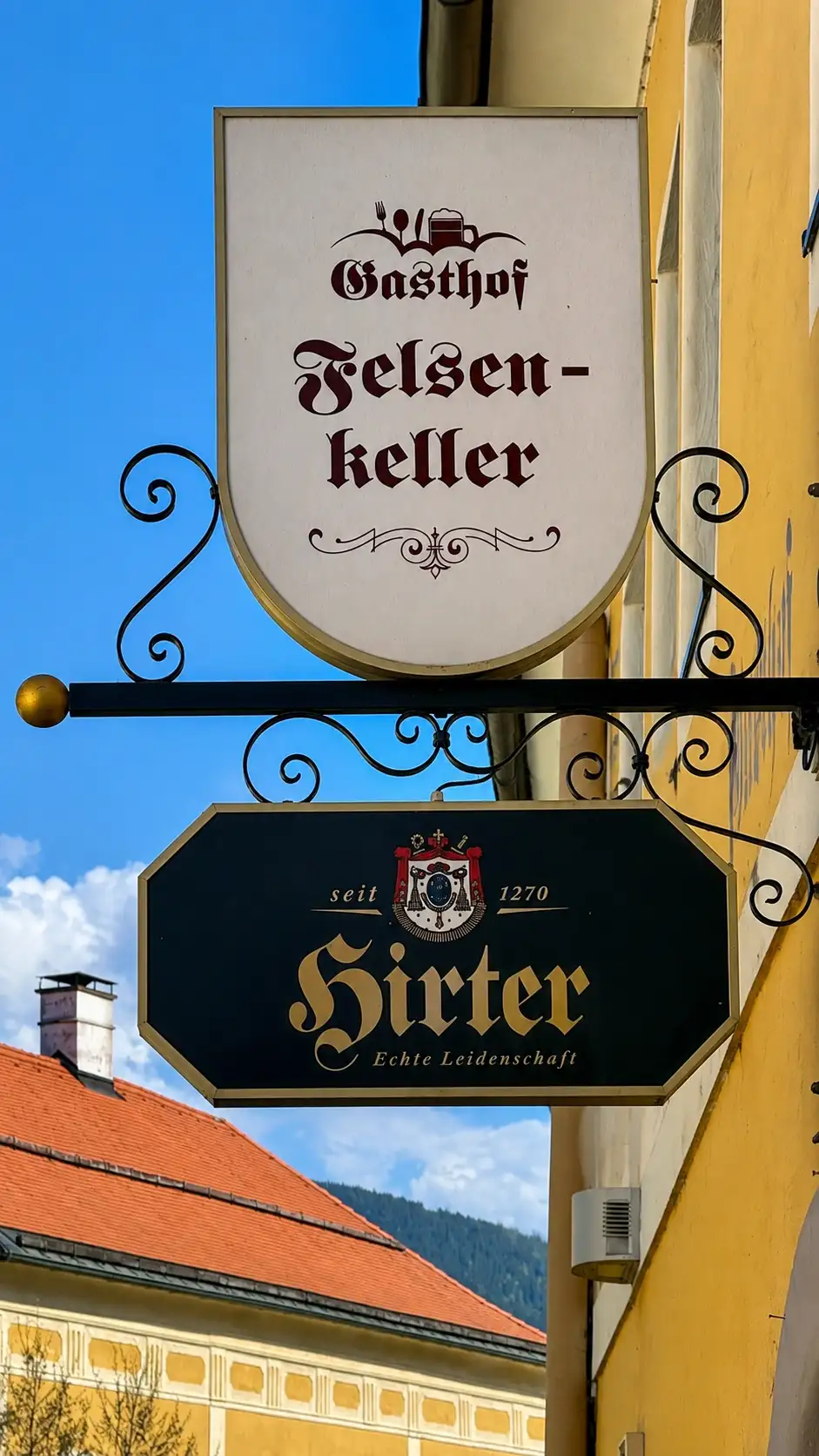
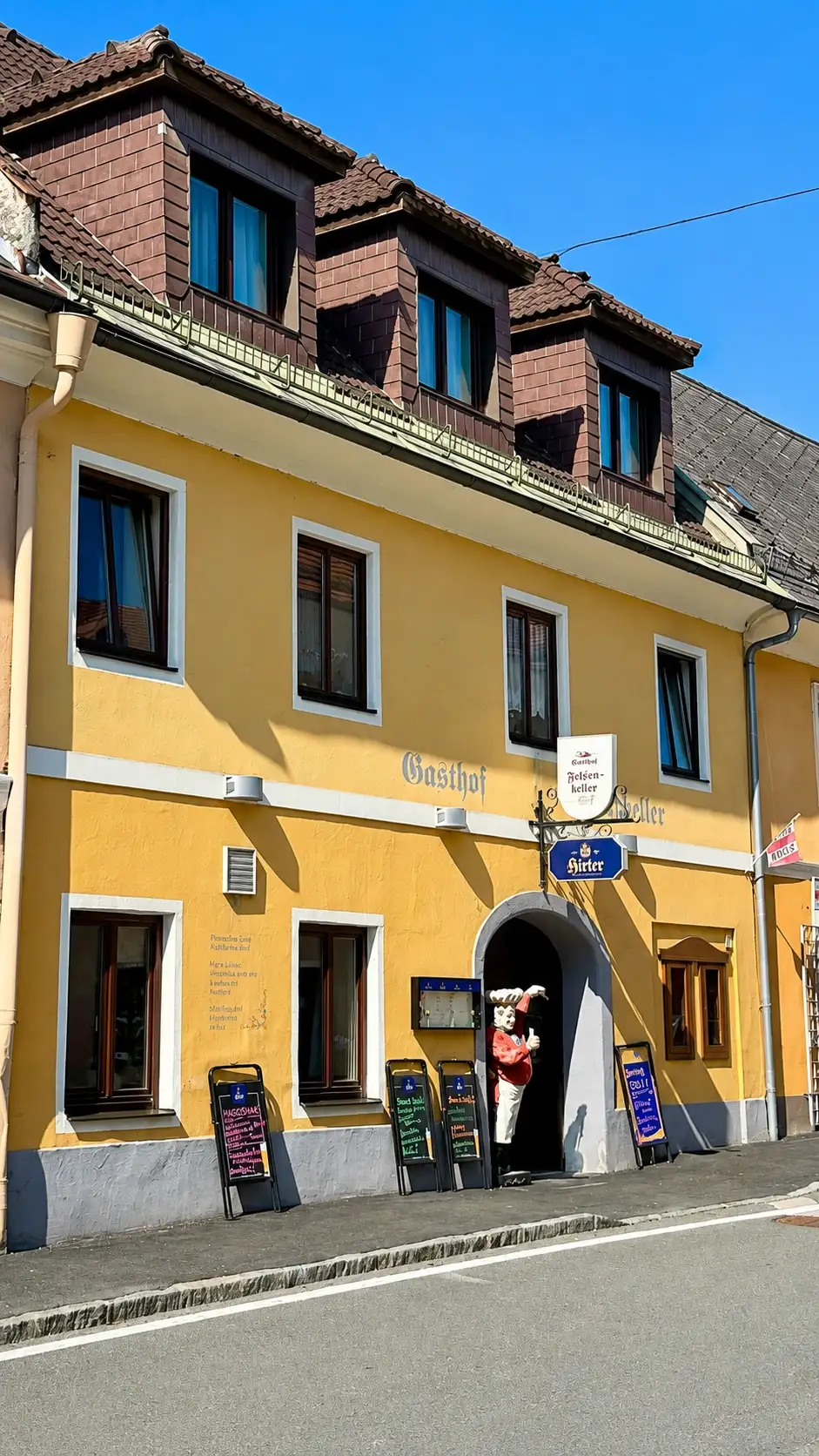
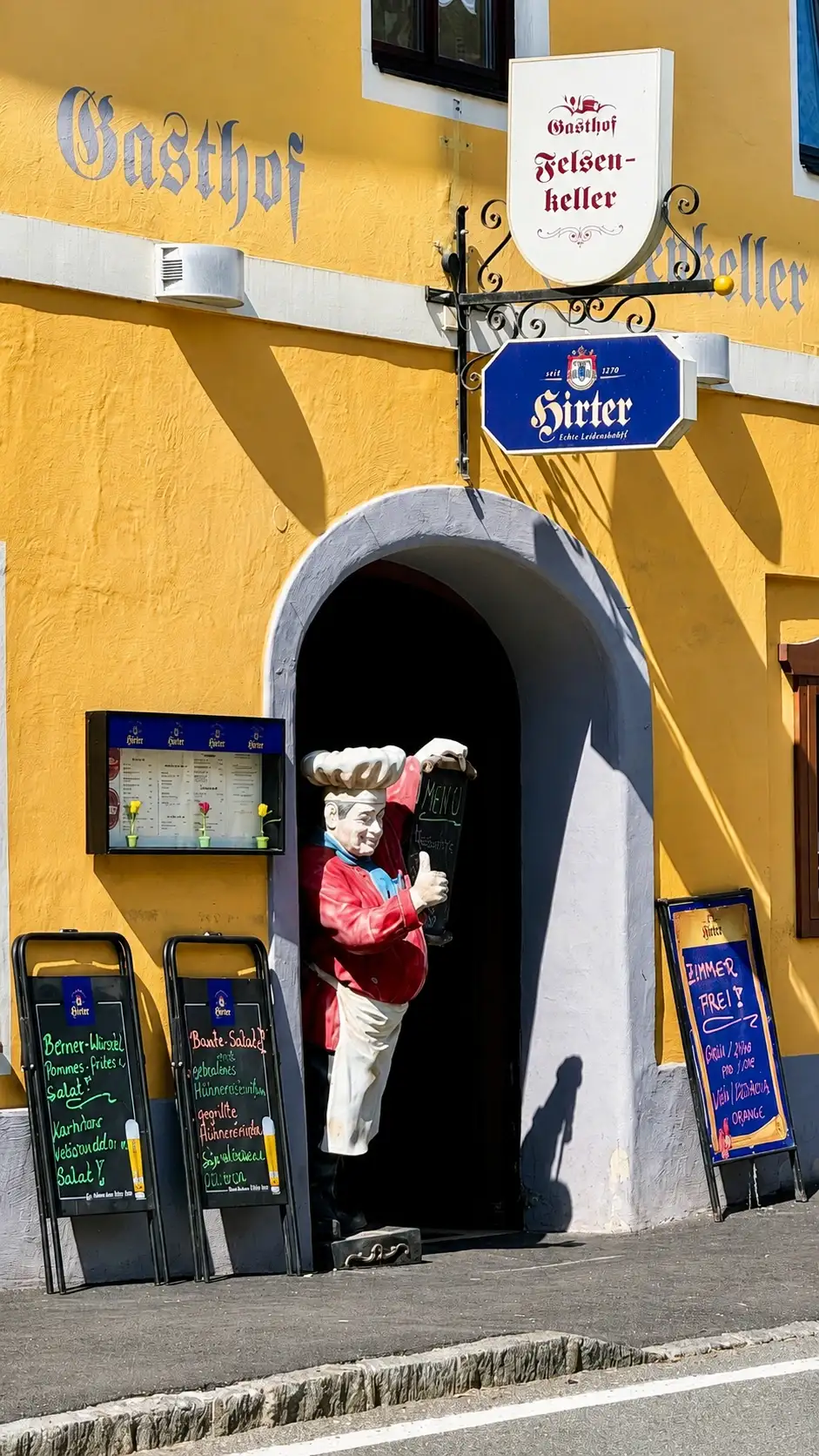
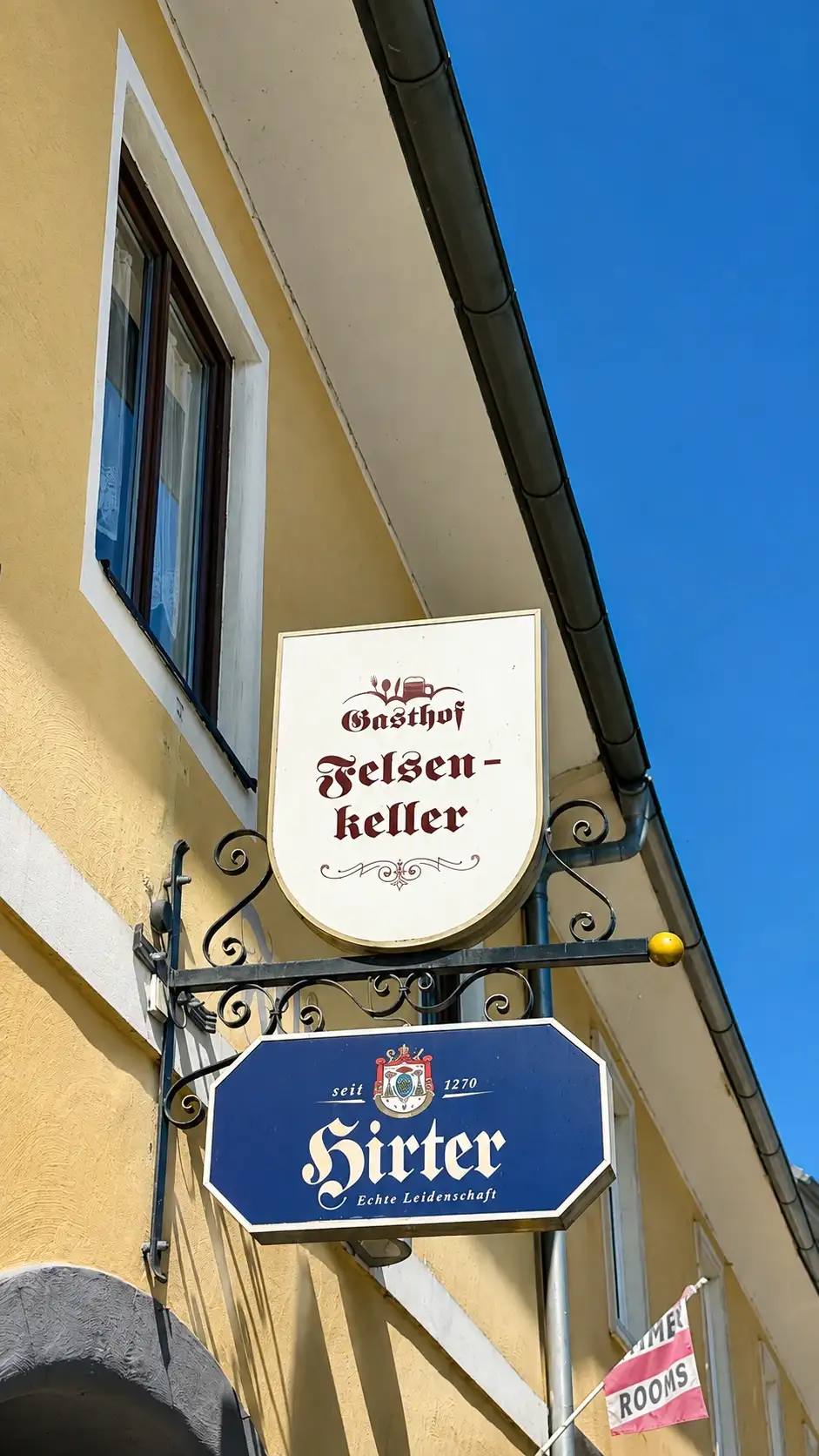
At the site of the former Neumarkter Gate, Neumarkter Straße joins Wiener Straße. Here lies the inn Felsenkeller, directly below the rock of the Petersberg castle complex. The name reveals that there is a cellar hewn into the rock. Before the invention of electricity and refrigeration, large blocks of ice were taken in winter from frozen ponds by horse-drawn sledges and stored in such cellars. The ice melted only very slowly and kept beer and other essential foodstuffs cool well into the summer.
Image Gallery 1
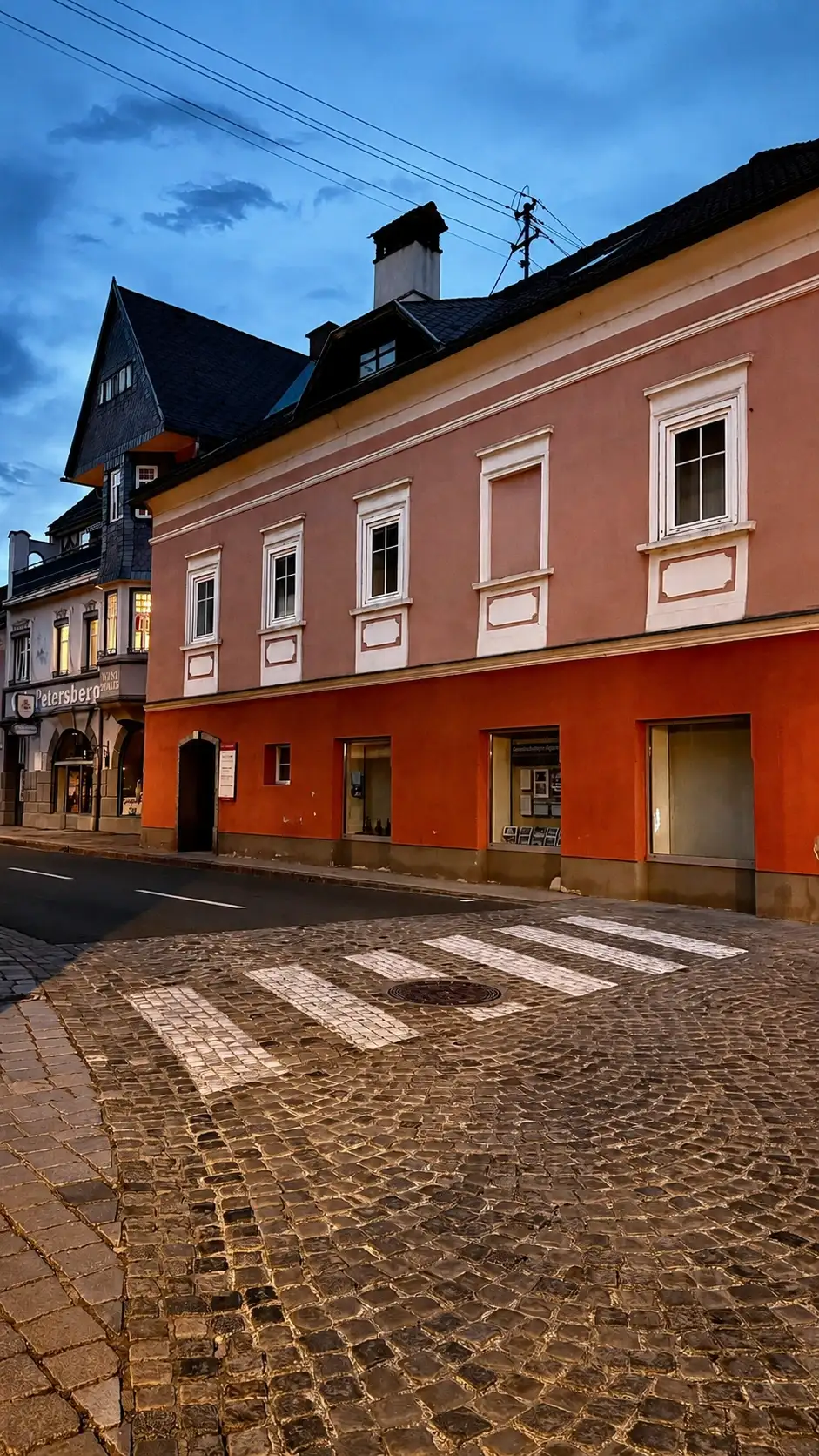
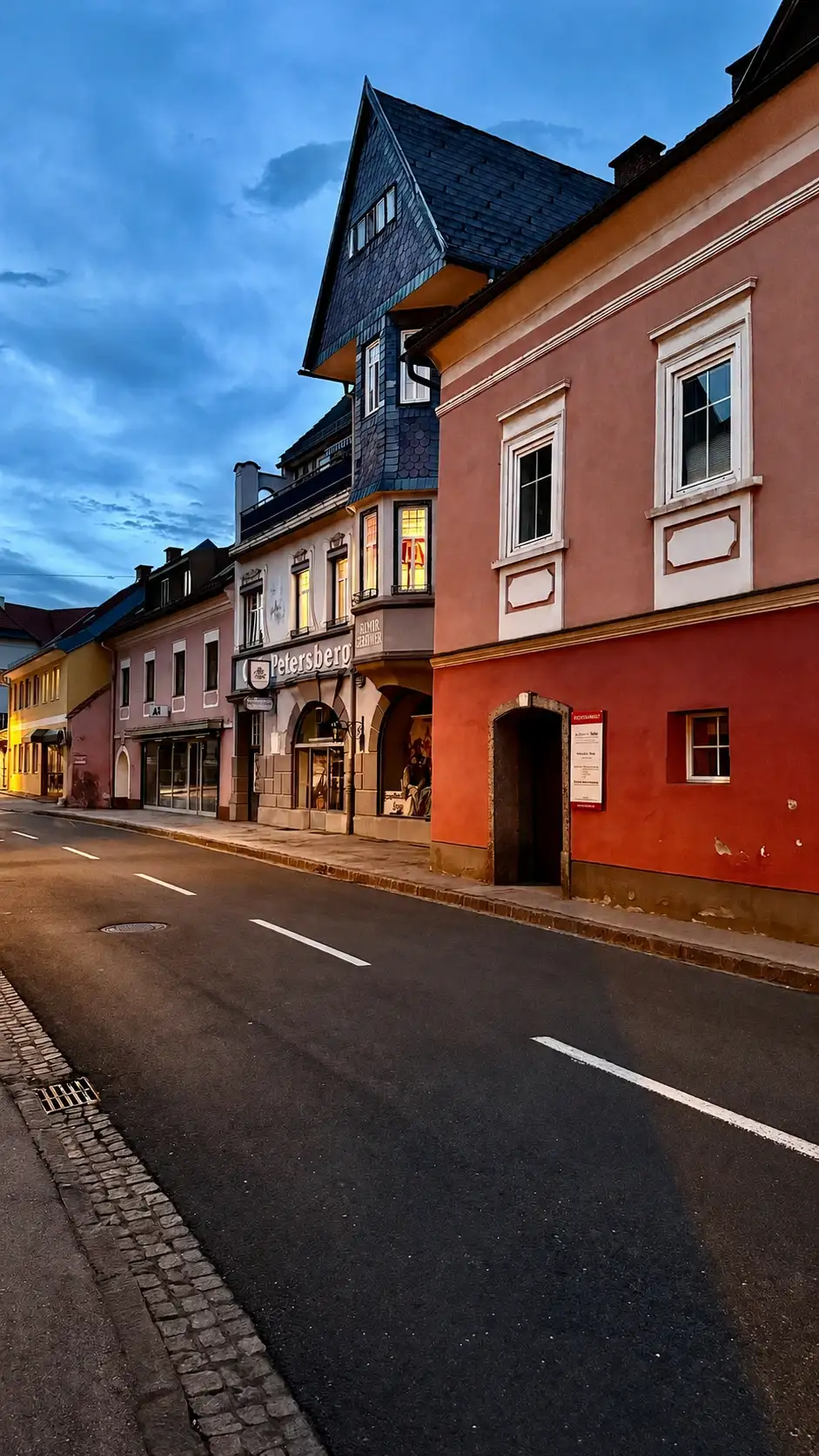
Image Gallery 2
Map: 17C
Stations: 1A | 8 | 9 | 17C | 27C | 28A

Station 1A | Renaissance Fountain
Station 8 | Town’s Parish Church
Station 9 | Jester’s Path
Station 17C | Wiener Straße
Station 27C | The Portal of the Former Charnel House
Station 28A | Herrengasse