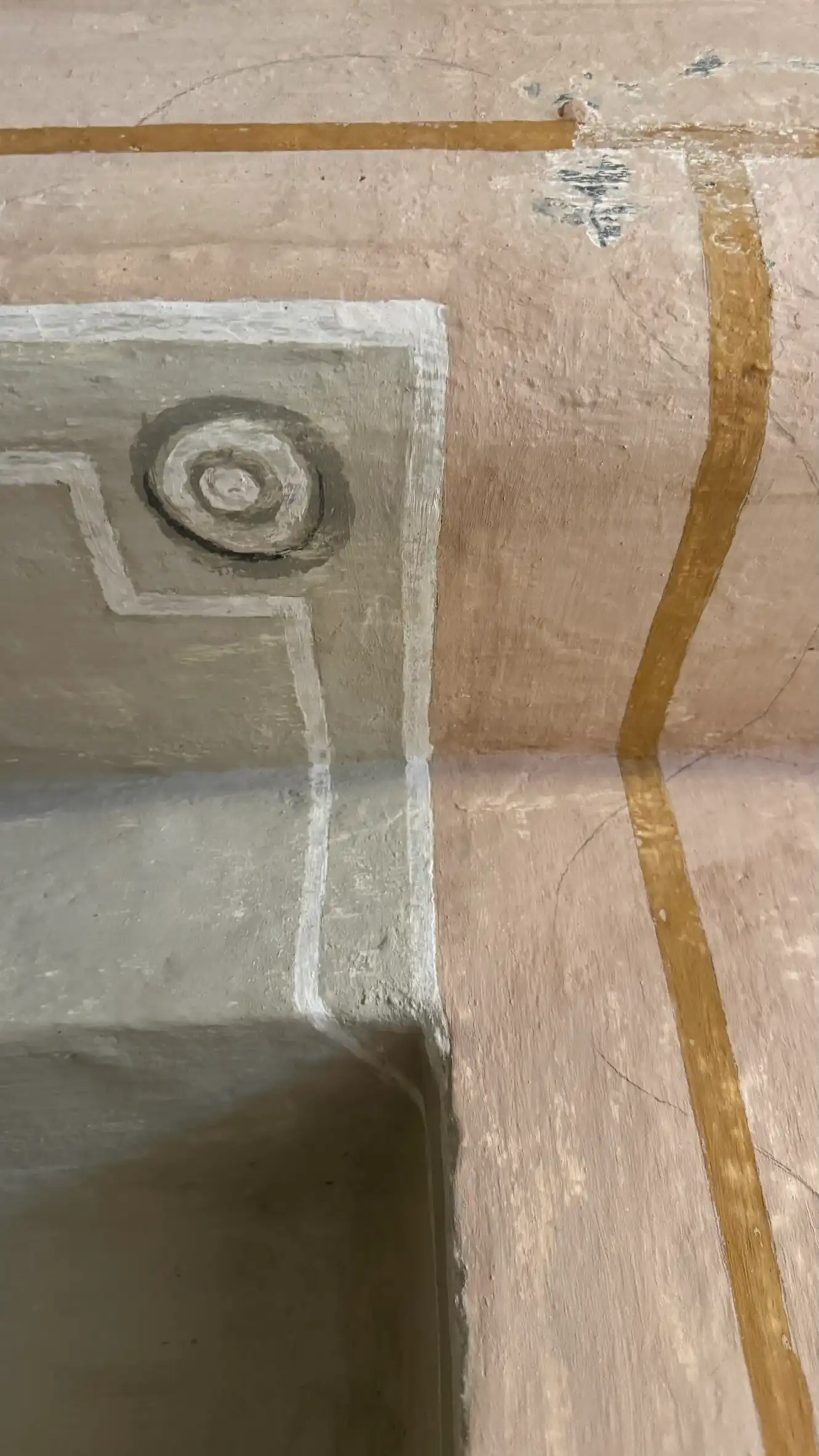
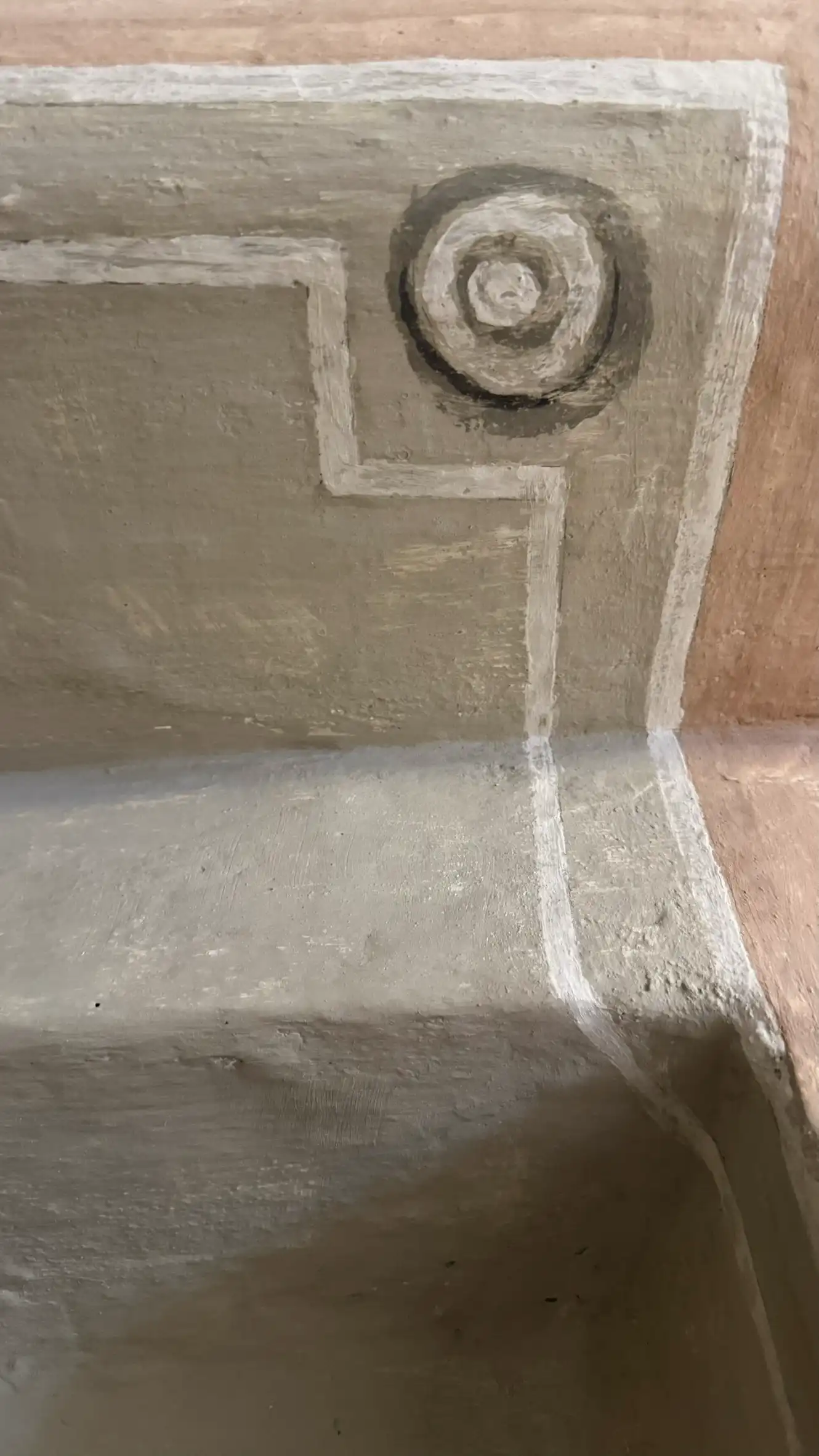
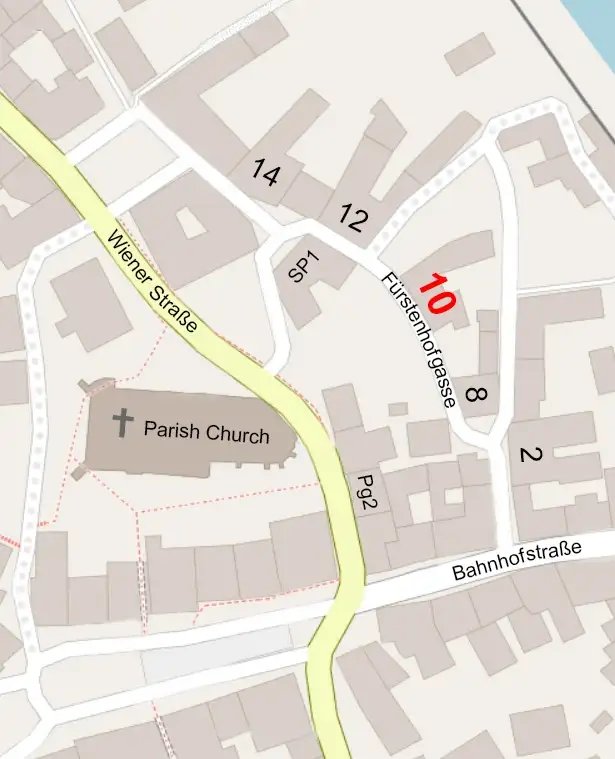
Fürstenhofgasse 10
Biedermeier Burgher House
Ownership History
The municipal dues register of the mid-18th century provides the first record of the building’s private ownership.
Architectural History
The building fabric partly dates back to the early 14th century.
It was repeatedly adapted and extended, particularly in the 16th century.
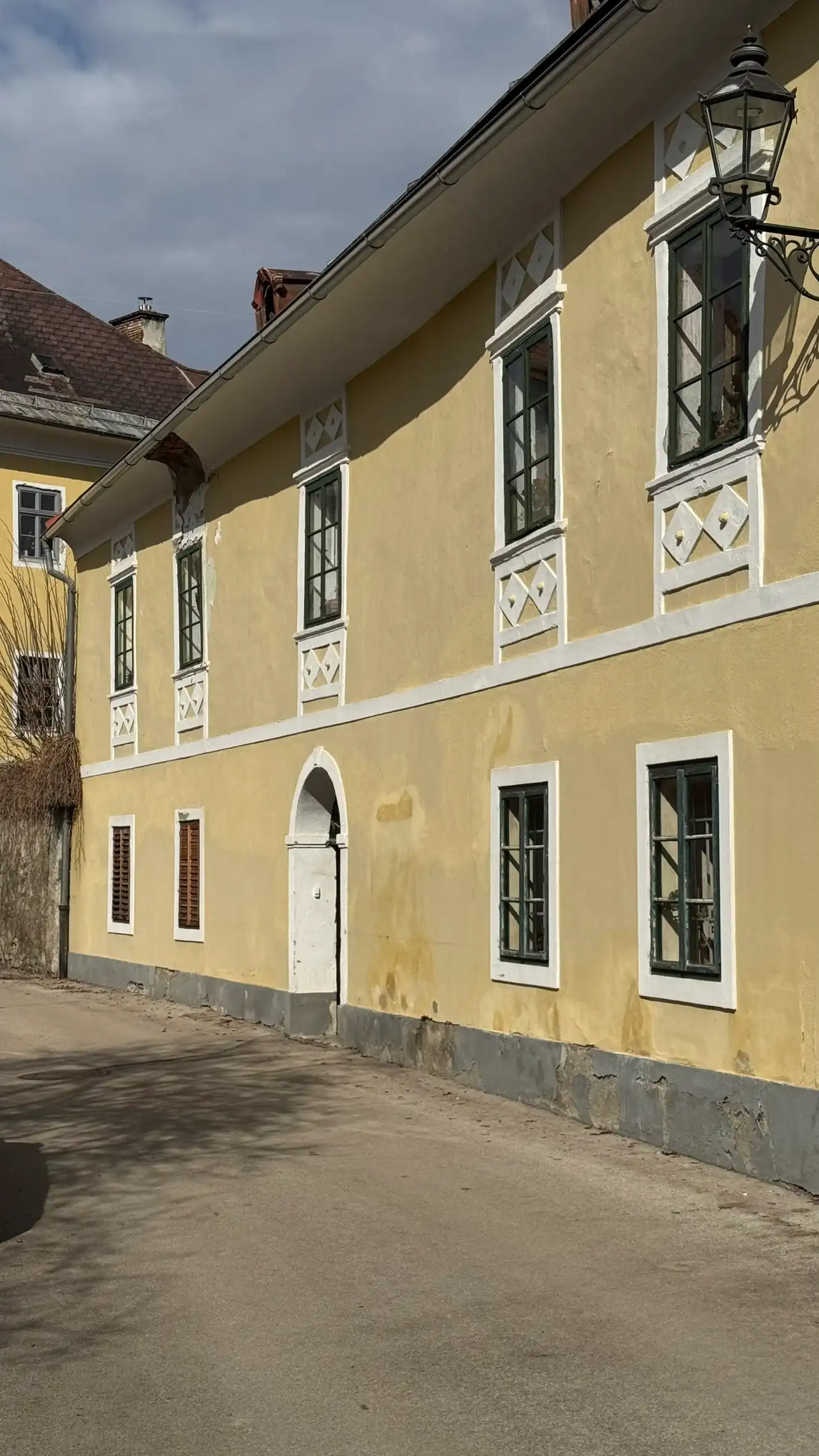
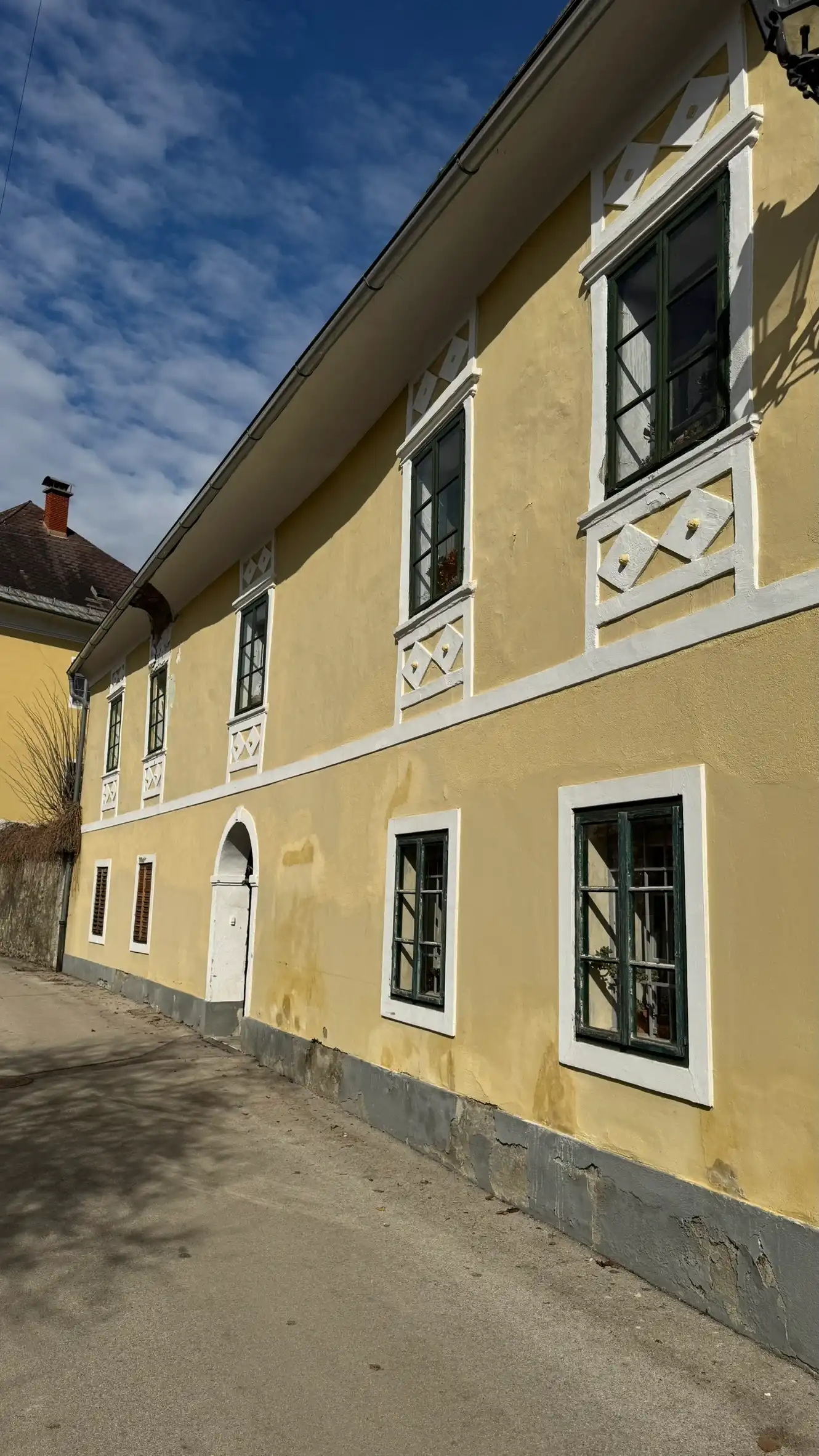
At the beginning of the 19th century, the building received a uniform Biedermeier facade and a hipped roof.
The architectural form of the townhouse illustrates the continuous development of urban residential and representative architecture from the Middle Ages through to the 19th century.
Exterior | West Facade
West Facade Articulation
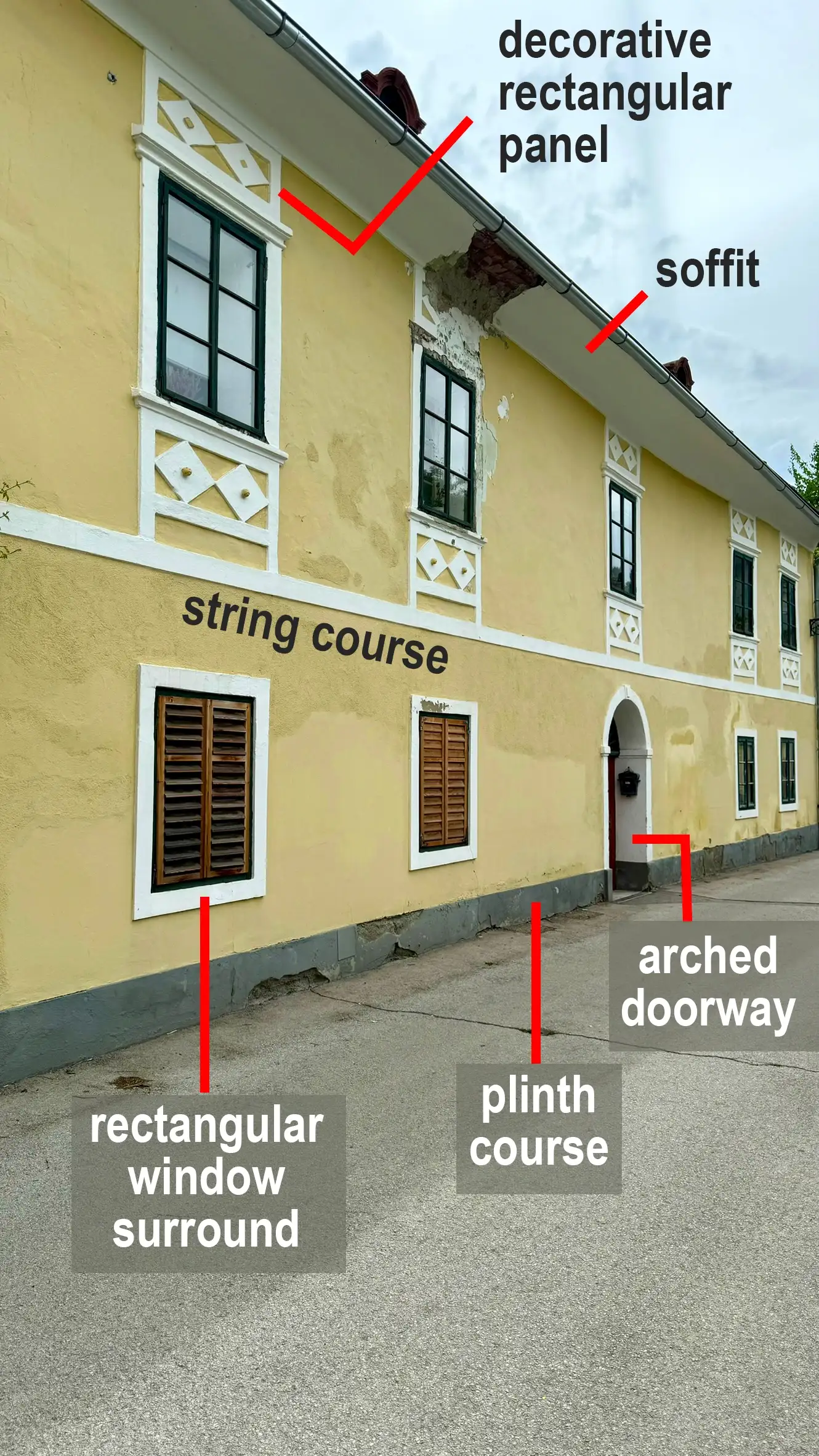
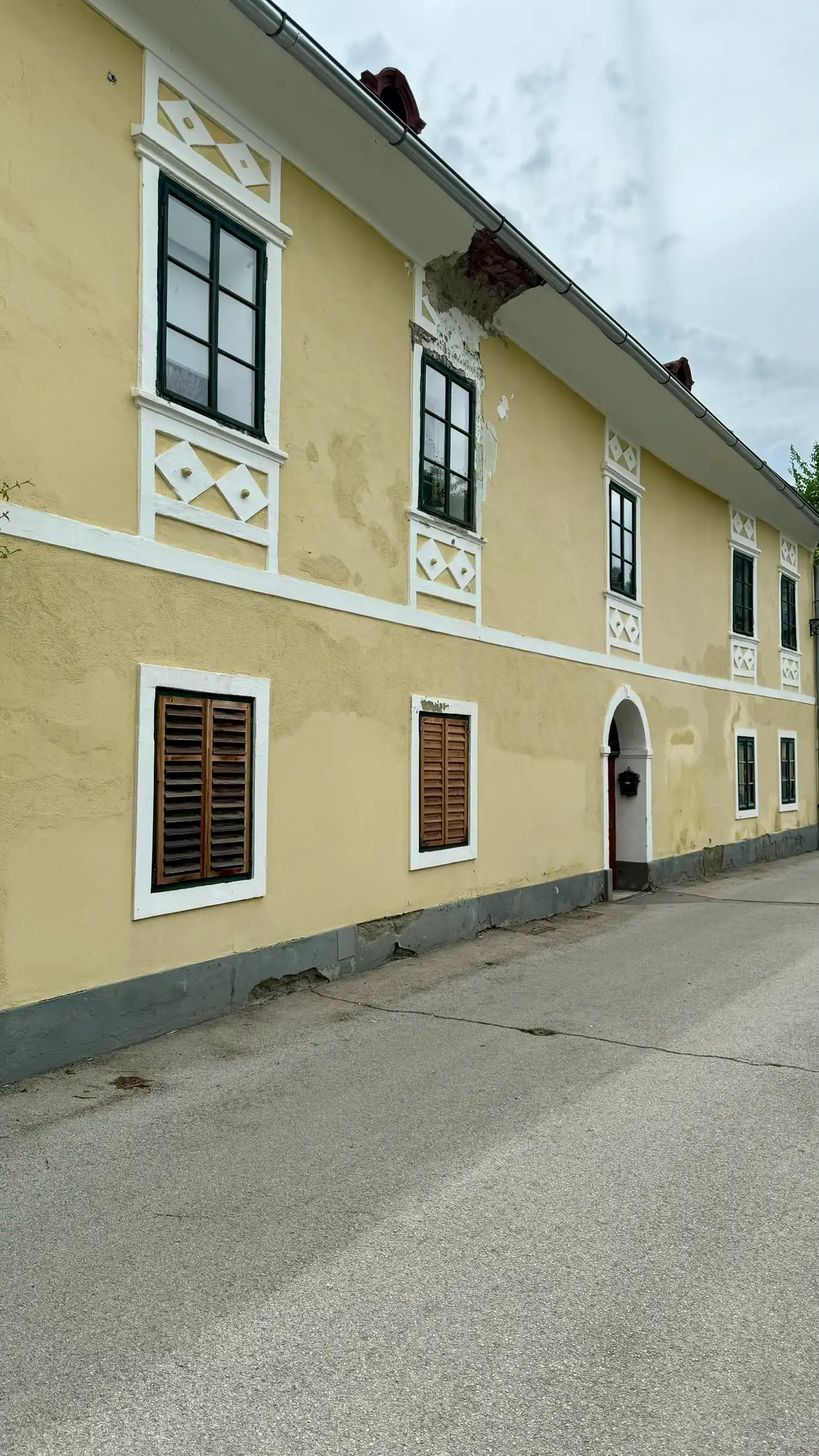
The west facade displays an irregular axis arrangement. It is horizontally articulated by a string course and a plinth zone.
First-Floor Window Surrounds and Stucco Decoration
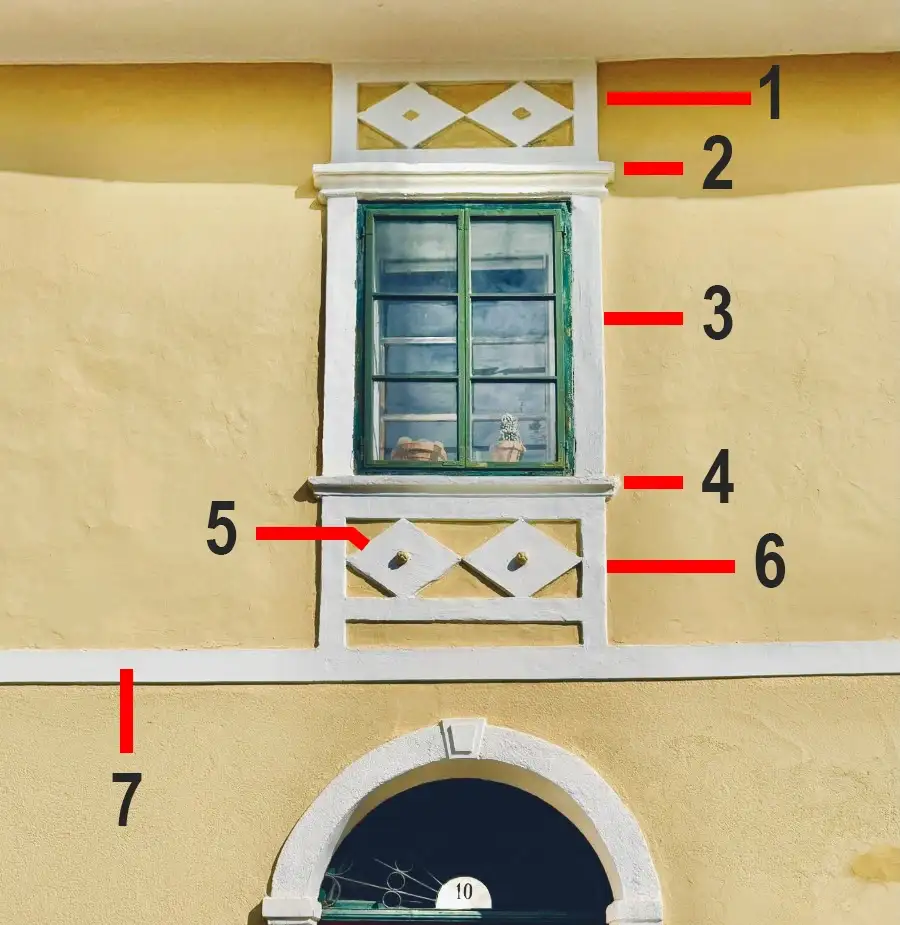
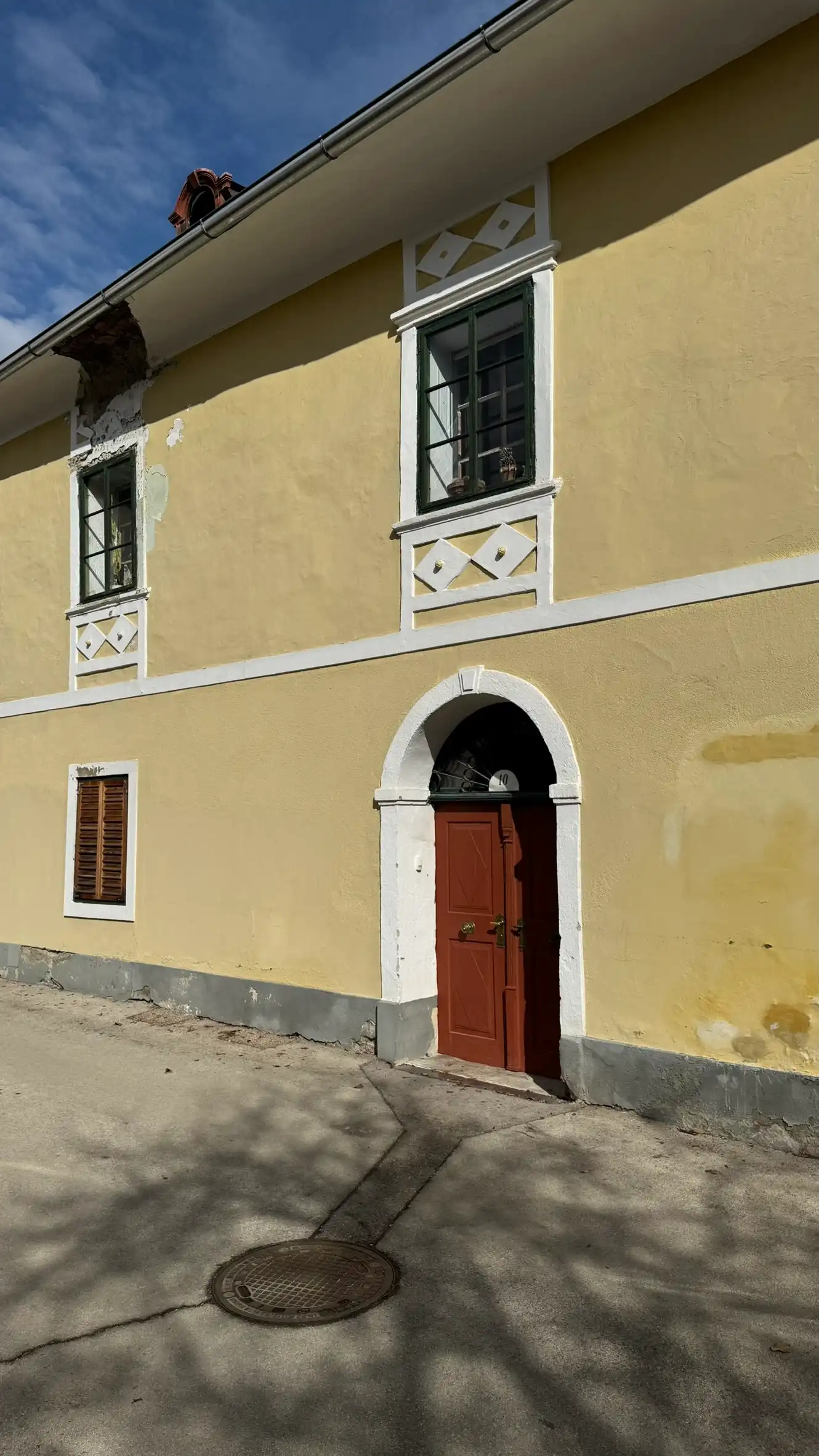
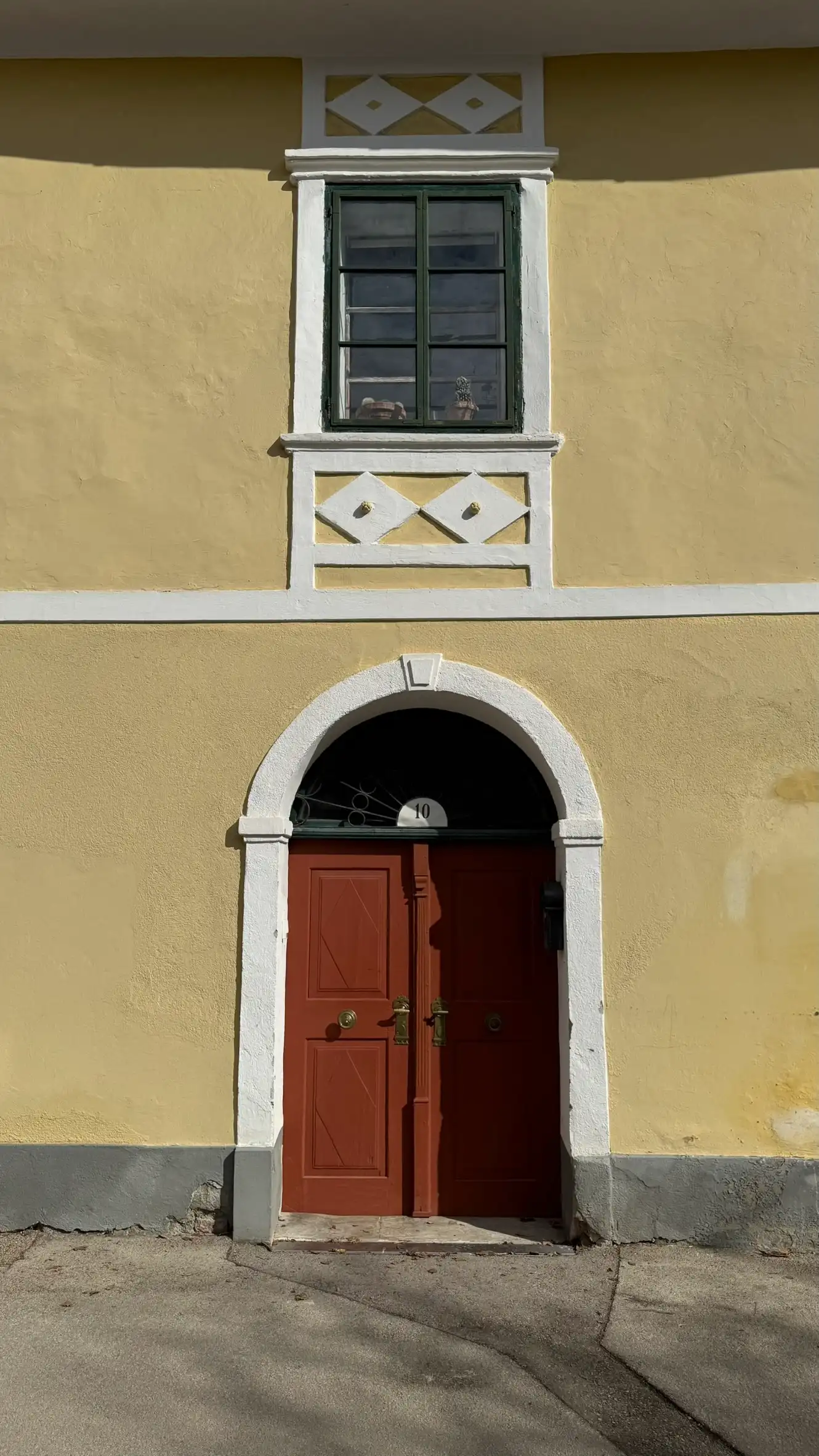
The rectangular window openings are set within simple moulded surrounds with straight heads and sills. On the first floor, stuccowork panels are located between the sills and the string course. Each panel is defined by a white rectangular stucco frame, within which two rhombus-shaped rendered motifs are placed symmetrically. Above the flat window heads sit matching rectangular fields, added in the second half of the 19th century.
Round-Arched Portal
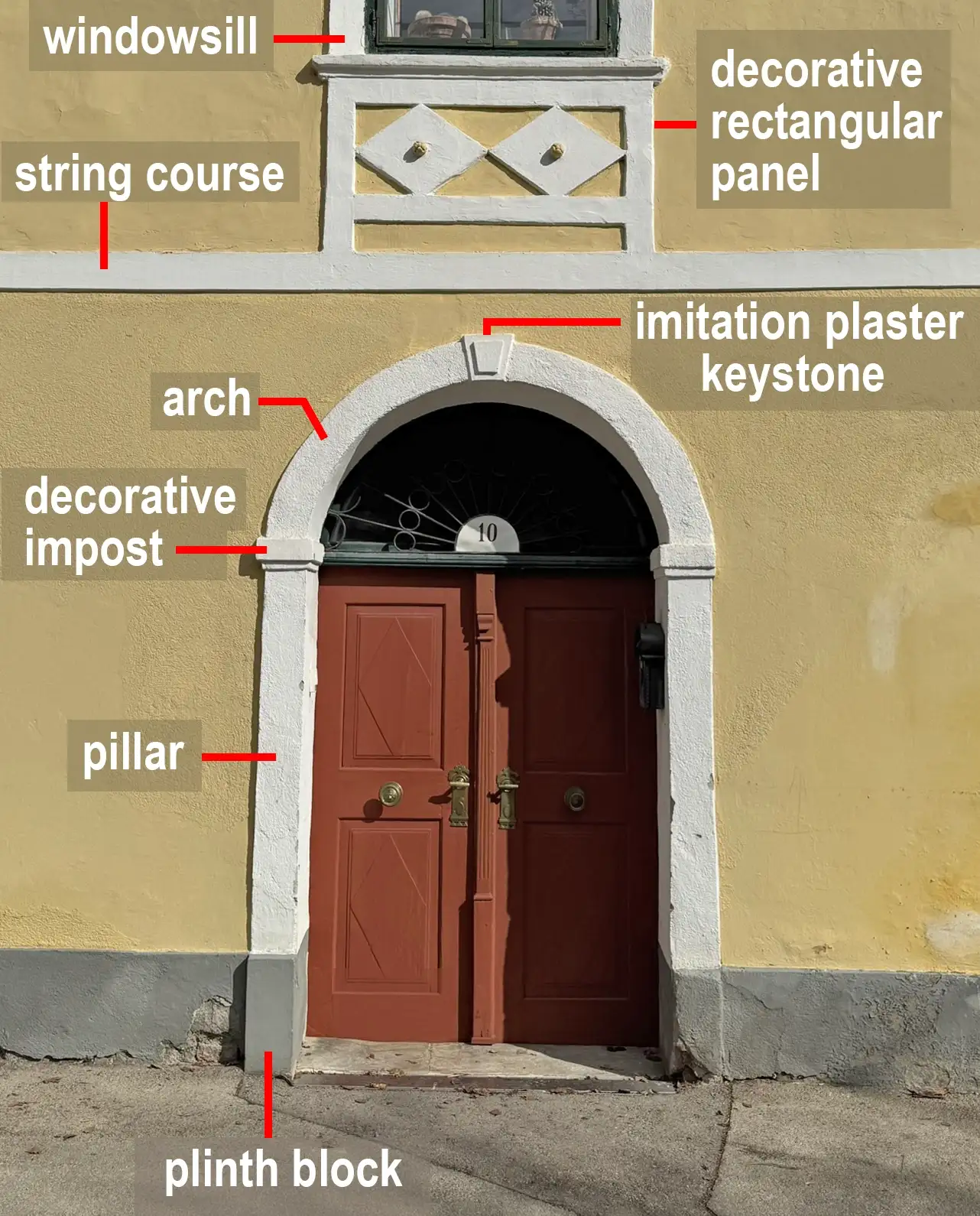
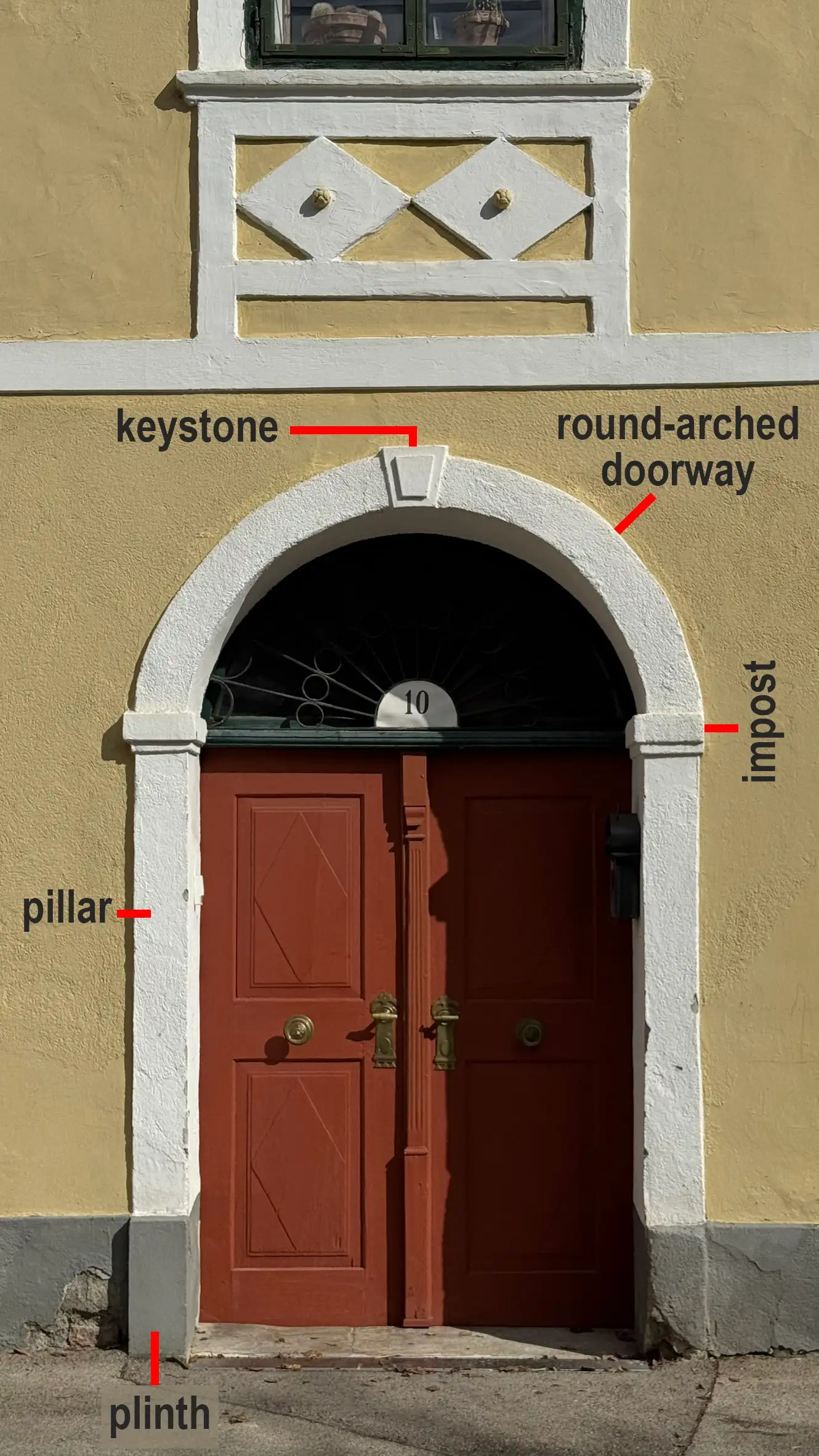
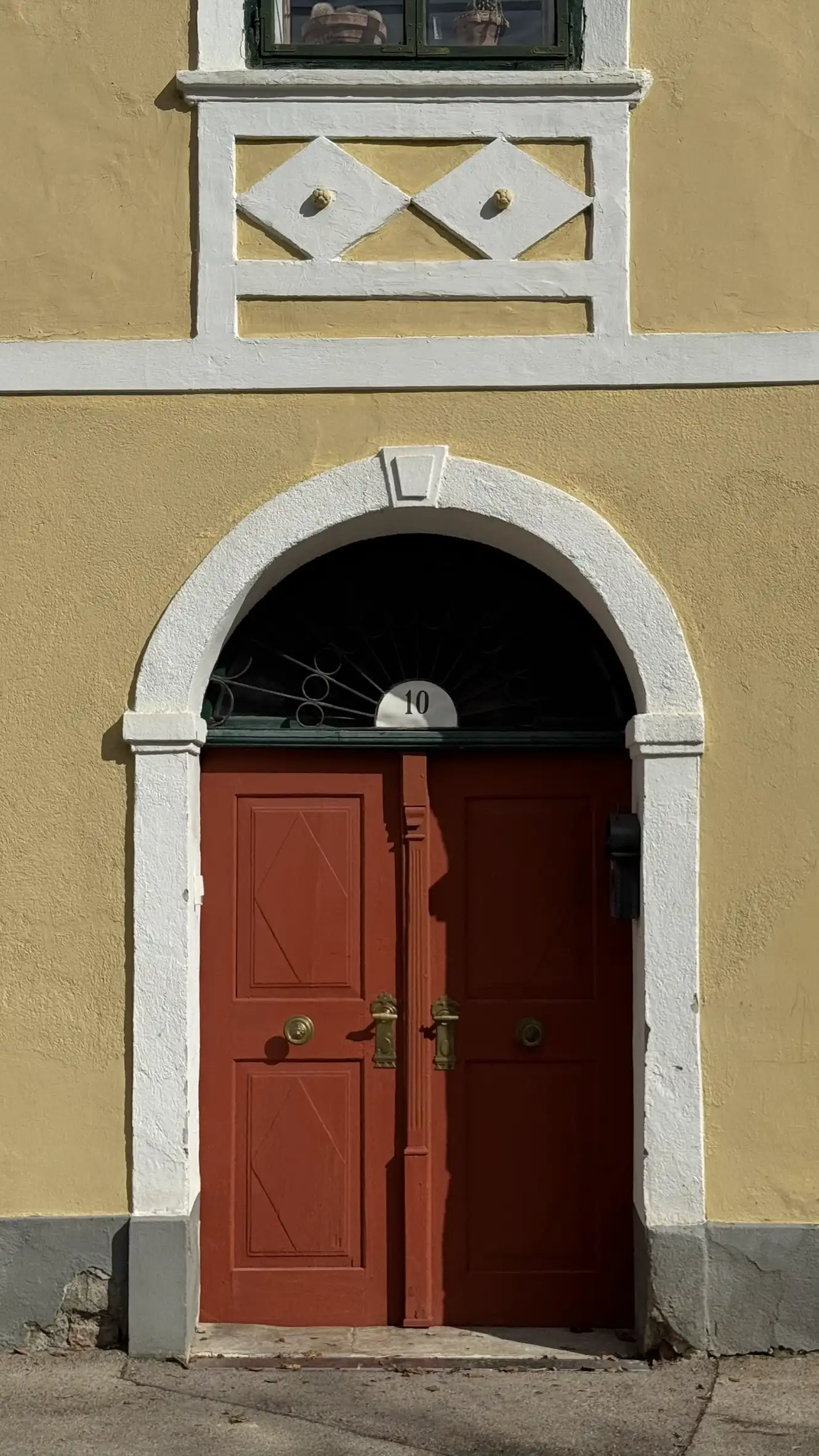
The central axis contains a simple round-arched portal featuring a keystone, imposts, plain pillars and plinths.
1 rectangular stucco frame above the window head
2 straight window head
3 moulded window surround
4 moulded sill
5 rhombus-shaped rendered motif
6 rectangular stucco frame between the sill and string course
7 string course
Gallery 1 | Exterior
Exterior | Courtyard Facade
Courtyard Facade and Timber Pawlatsche
The courtyard facade is enhanced by a Biedermeier timber Pawlatsche (open gallery) dating from the beginning of the 19th century.
Roof
The L-shaped building is surmounted by a hipped roof, with one slope finishing in a half-hip.
Multiple dormers punctuate the roof slope.
Garden Wall
A garden wall adjoins the north side of the house, parts of which date from the late 13th century. It extends for approximately 100 metres.
Interior
Entrance Passage
In the entrance passage, there is a broad, short barrel vault with lunettes and simple applied ribs dating from the first half of the 16th century.
North-Eastern Garden Wing
The oldest part of the house is the barrel-vaulted north-eastern garden wing, which dates to around 1300.
Cellar
In the cellar, a barrel vault with lunettes was constructed over wall piers in the second half of the 16th century.
Plastered Ceilings
The rooms have plastered beam ceilings.
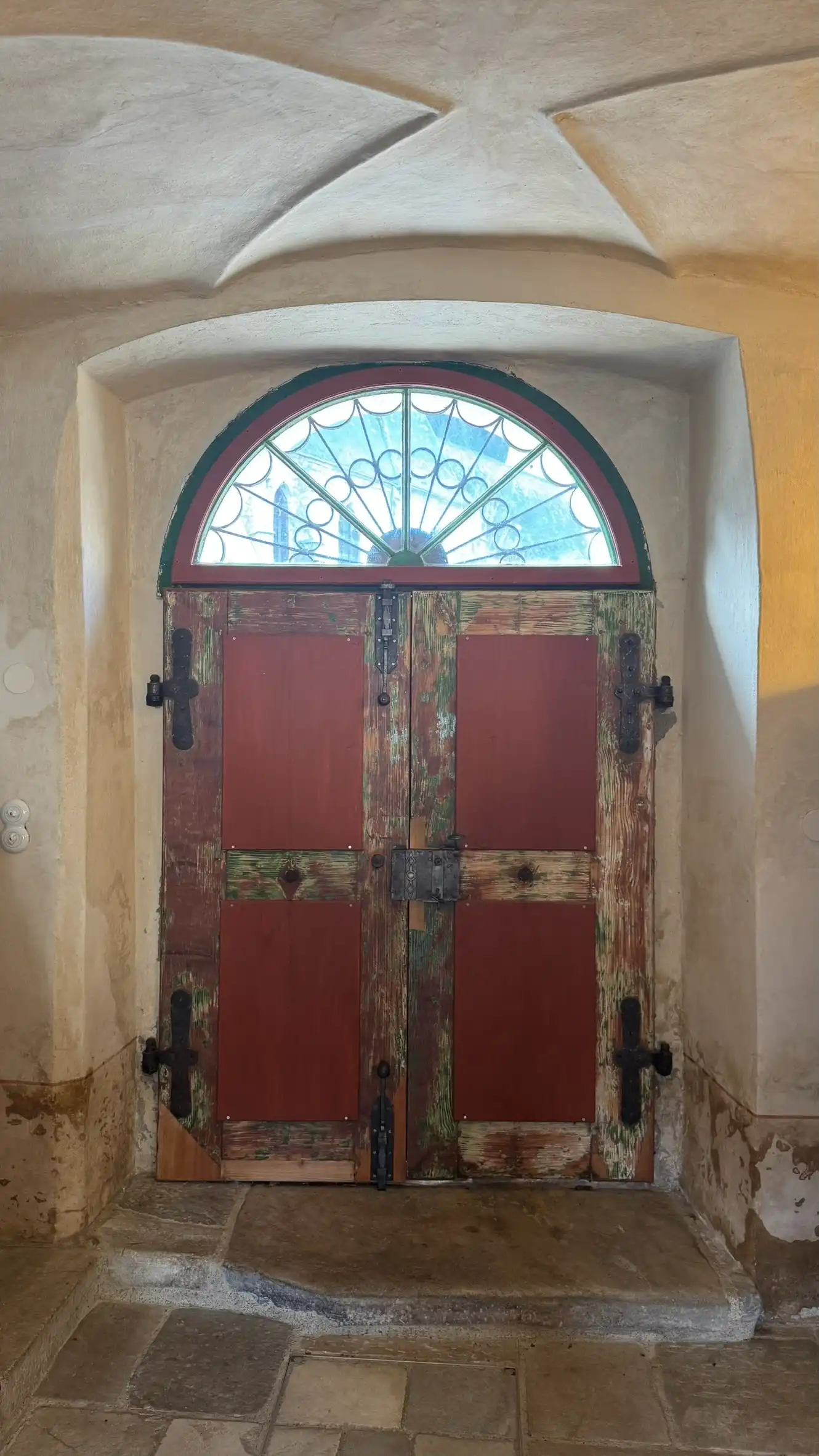
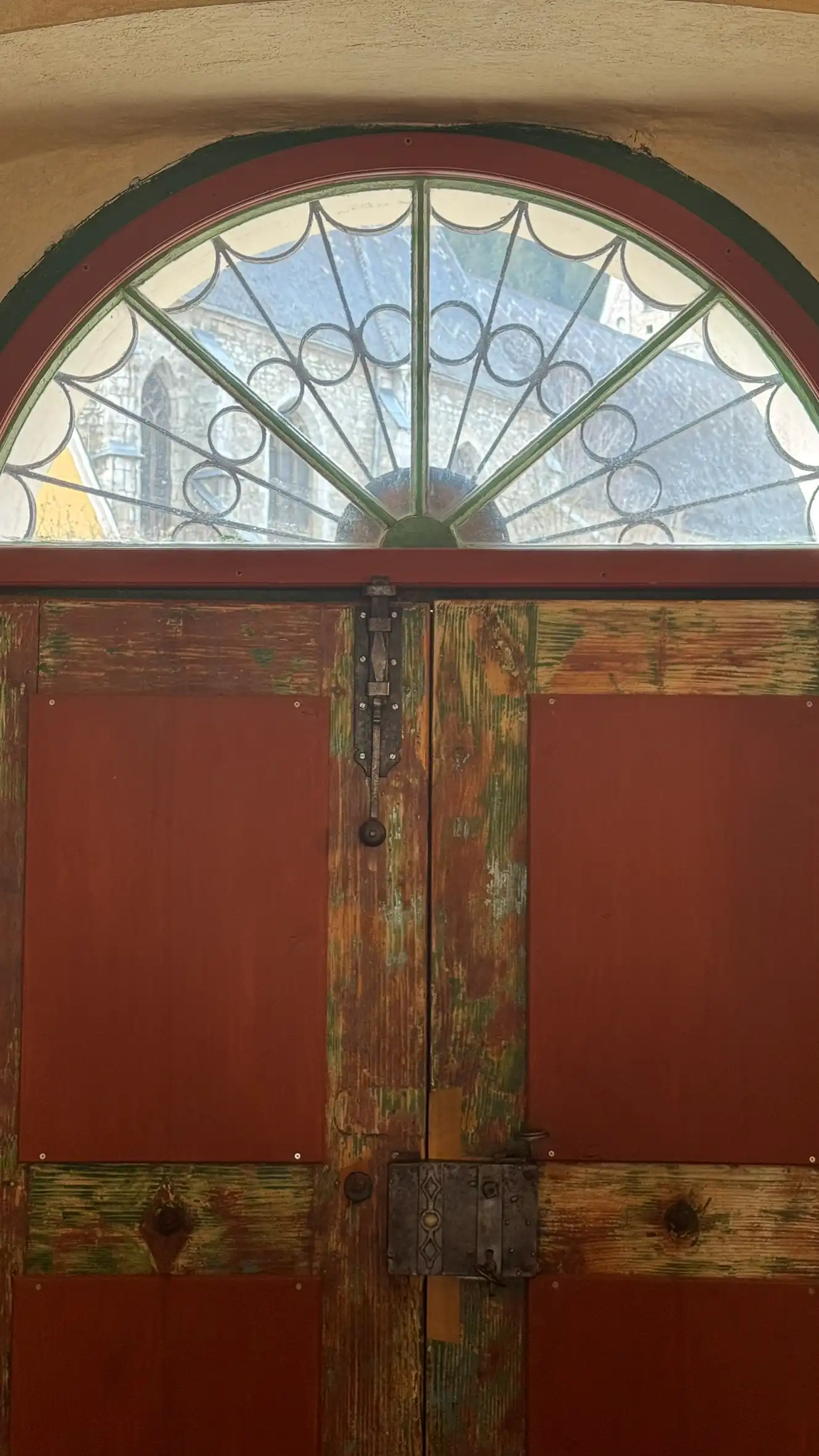
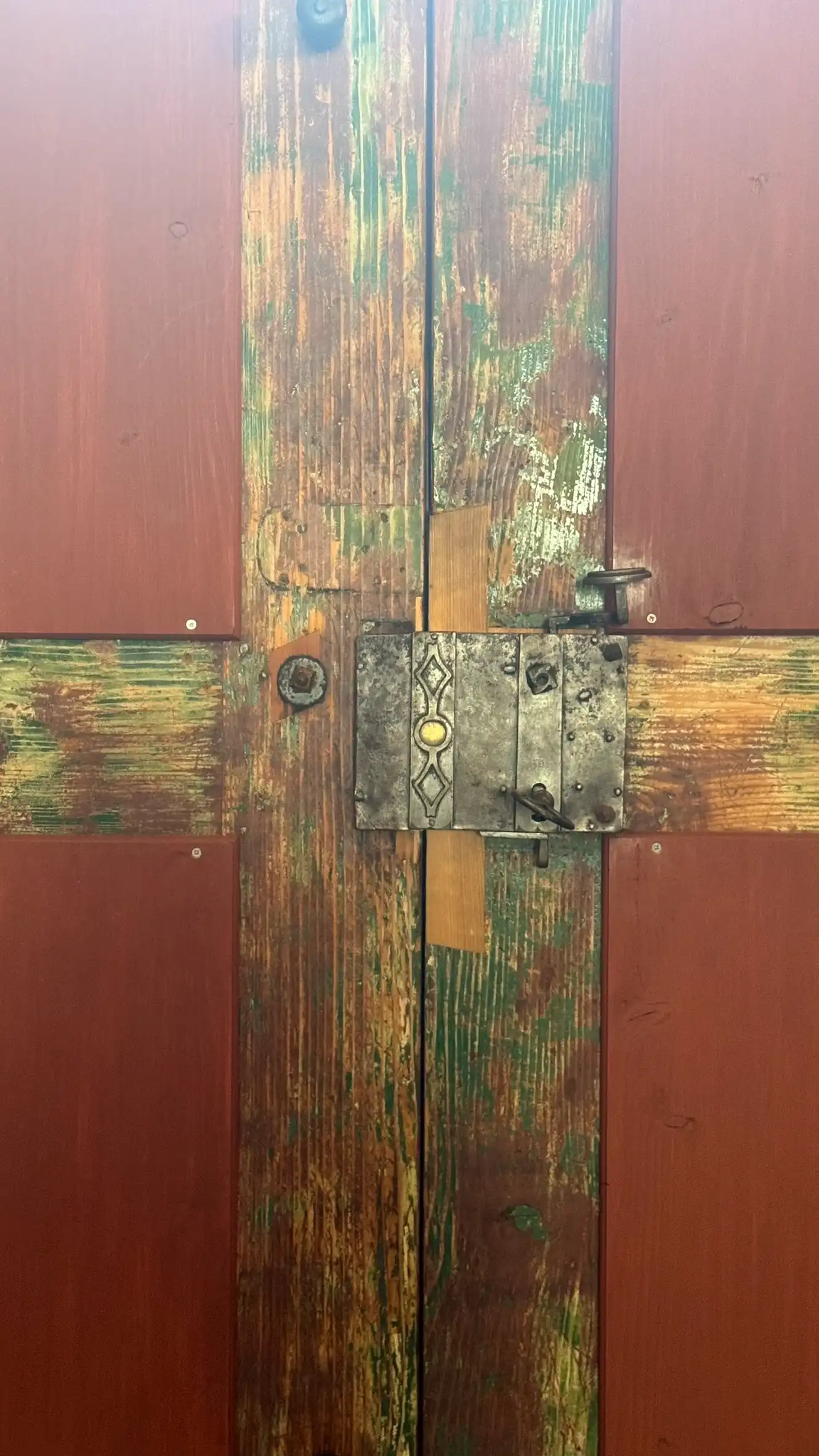
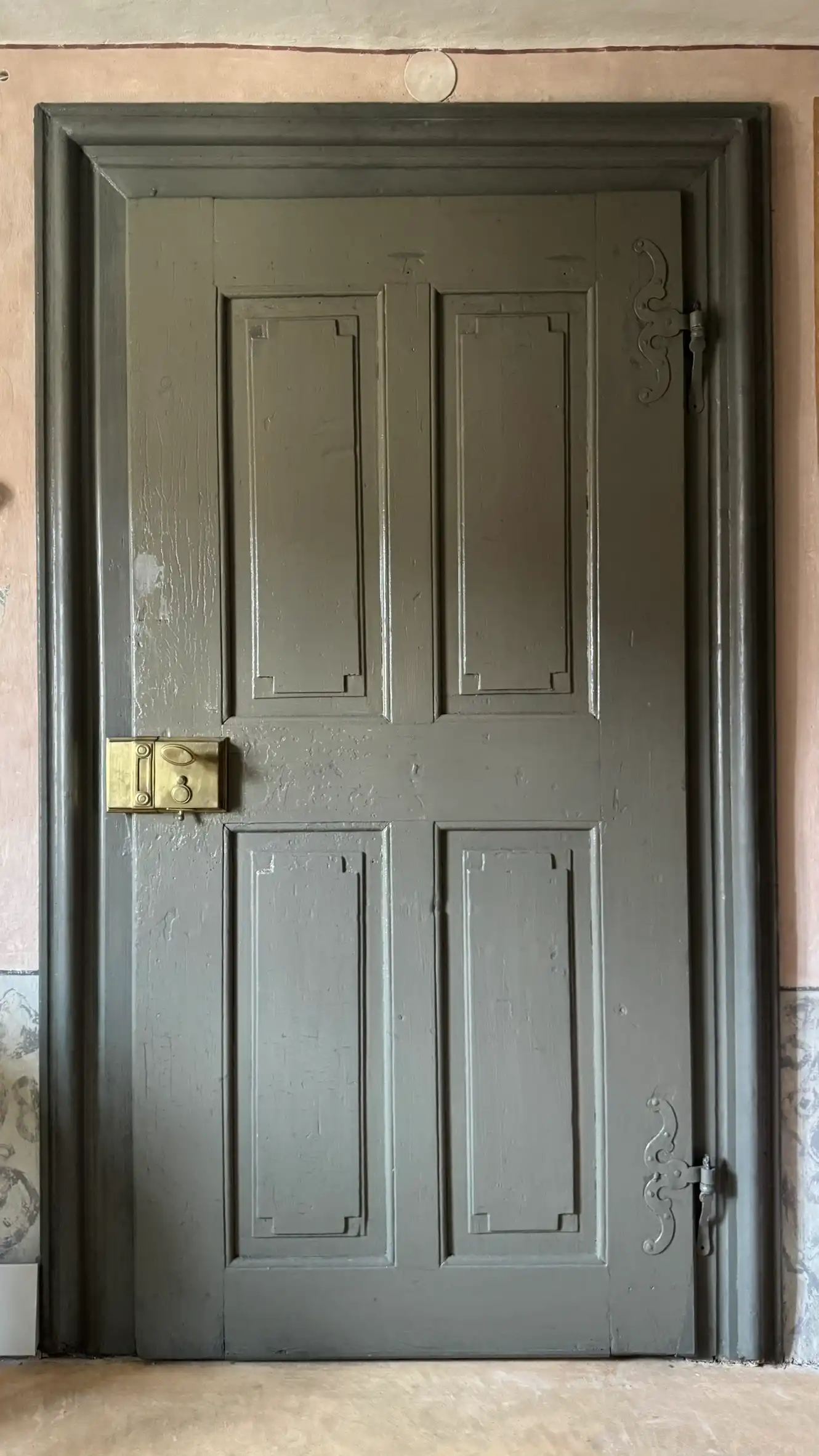
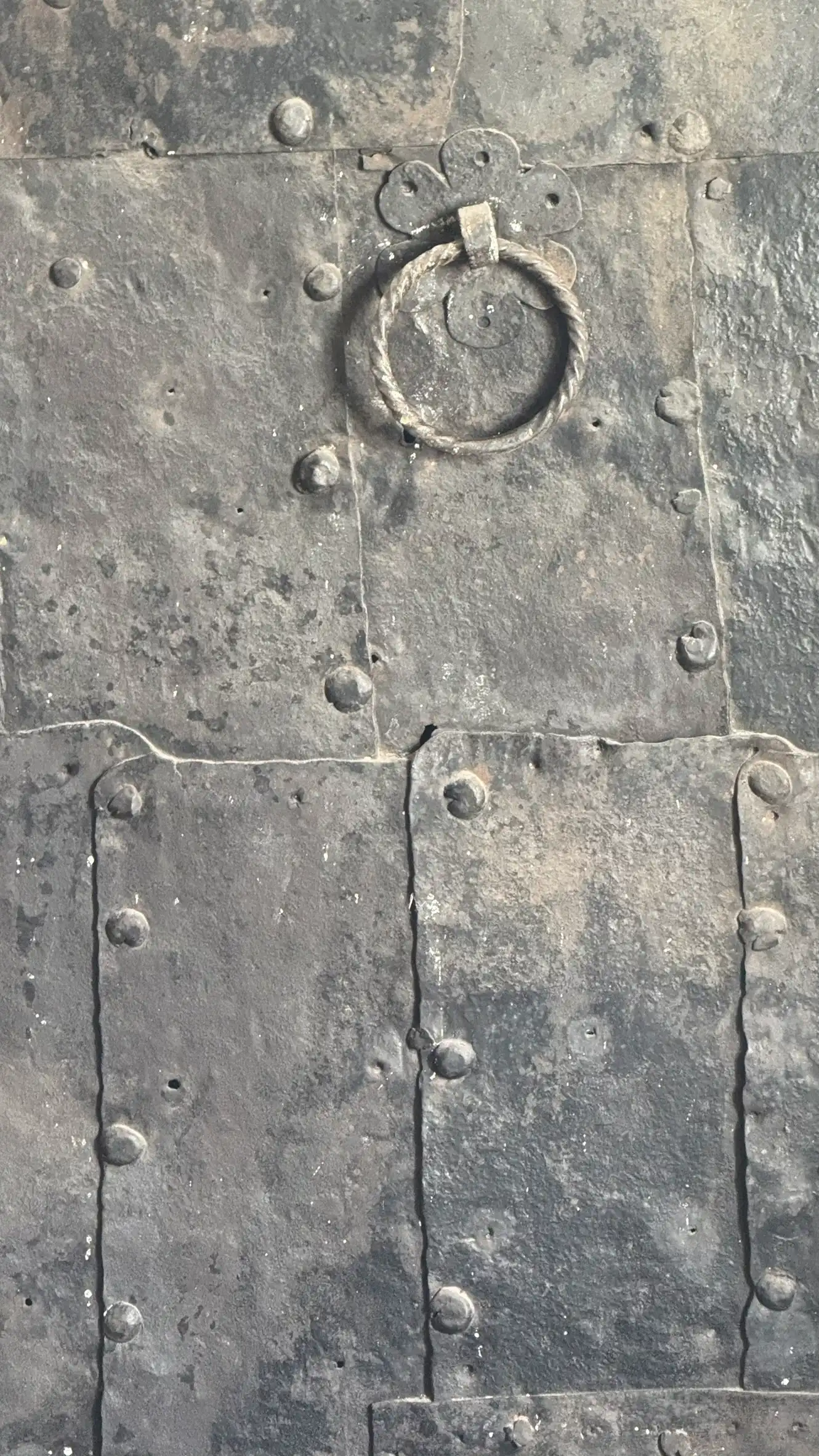
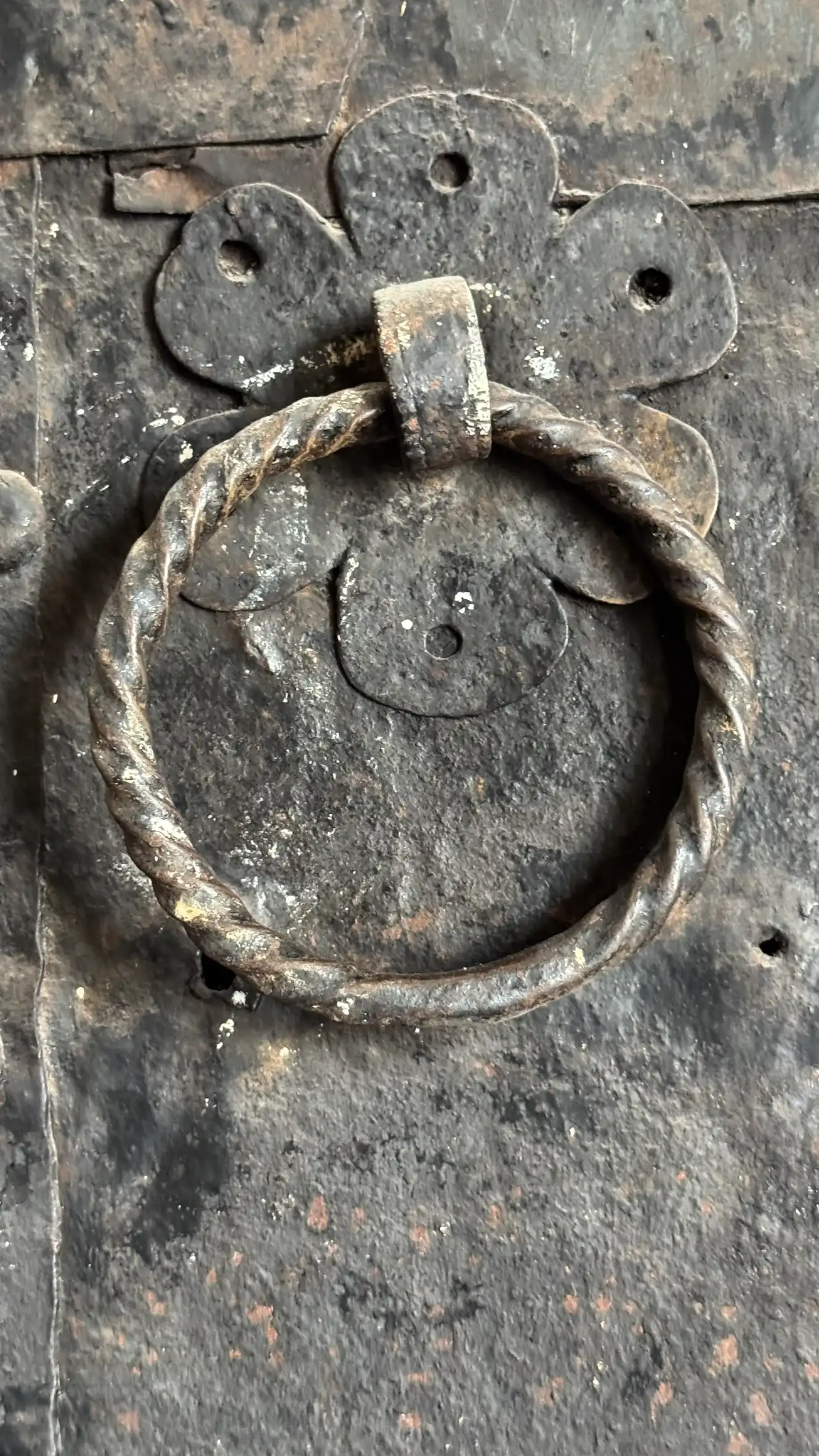
Biedermeier Iron Door
A Biedermeier iron door is located on the first floor.
Successive Extensions
The differences in floor levels on both the ground and upper floors are the result of successive extensions.
Gallery 2 | Interior | Doors
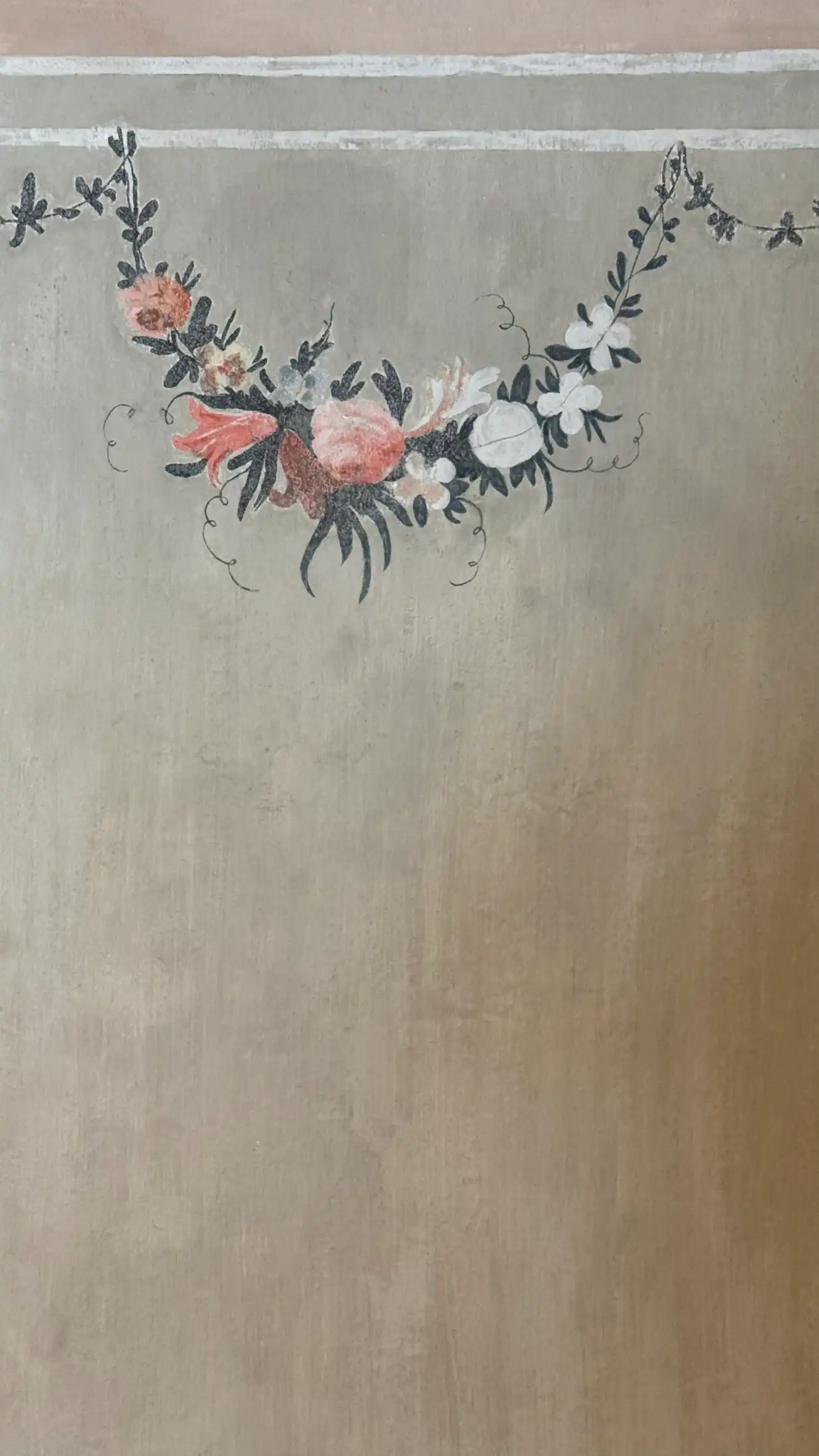
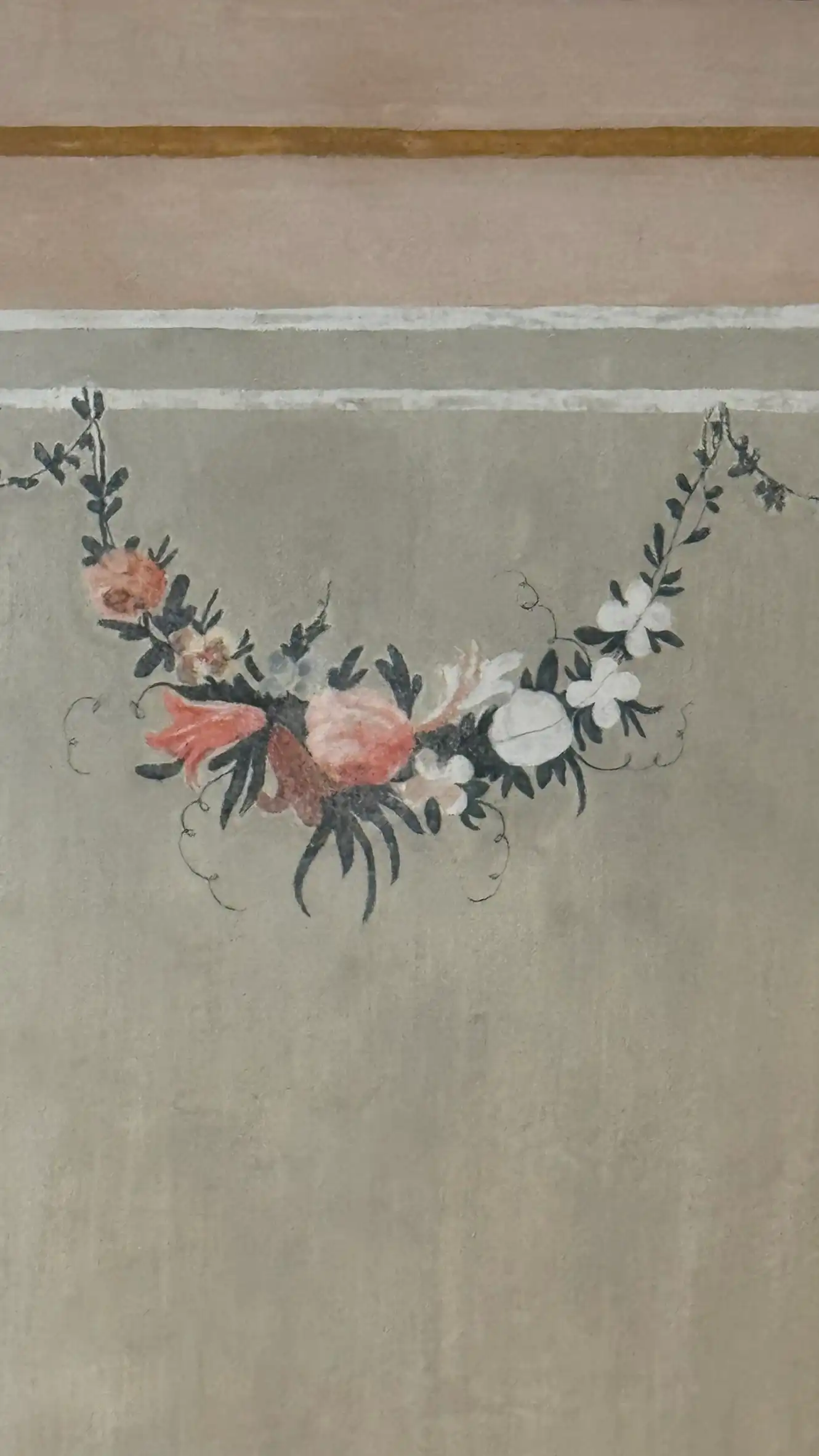
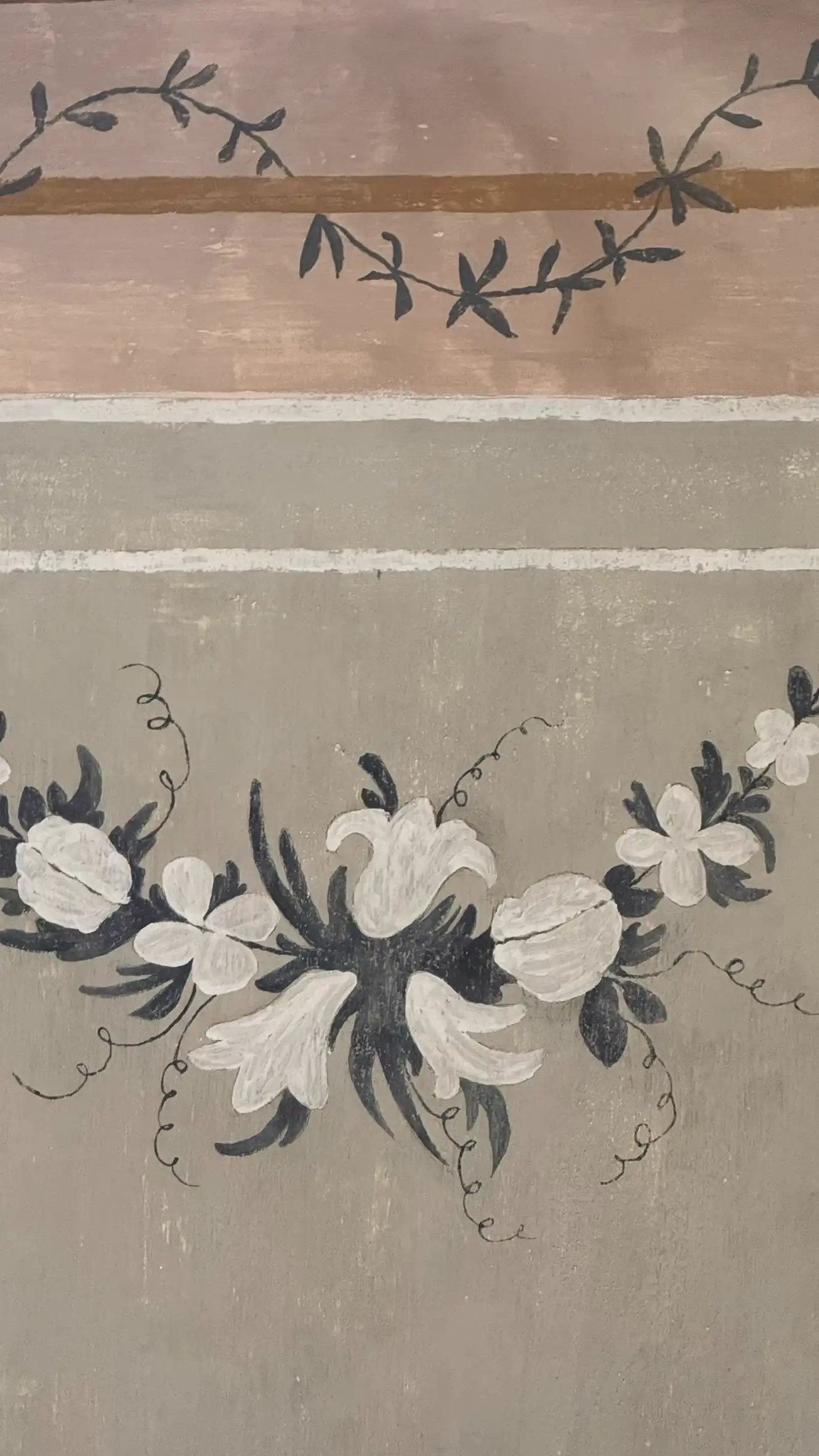
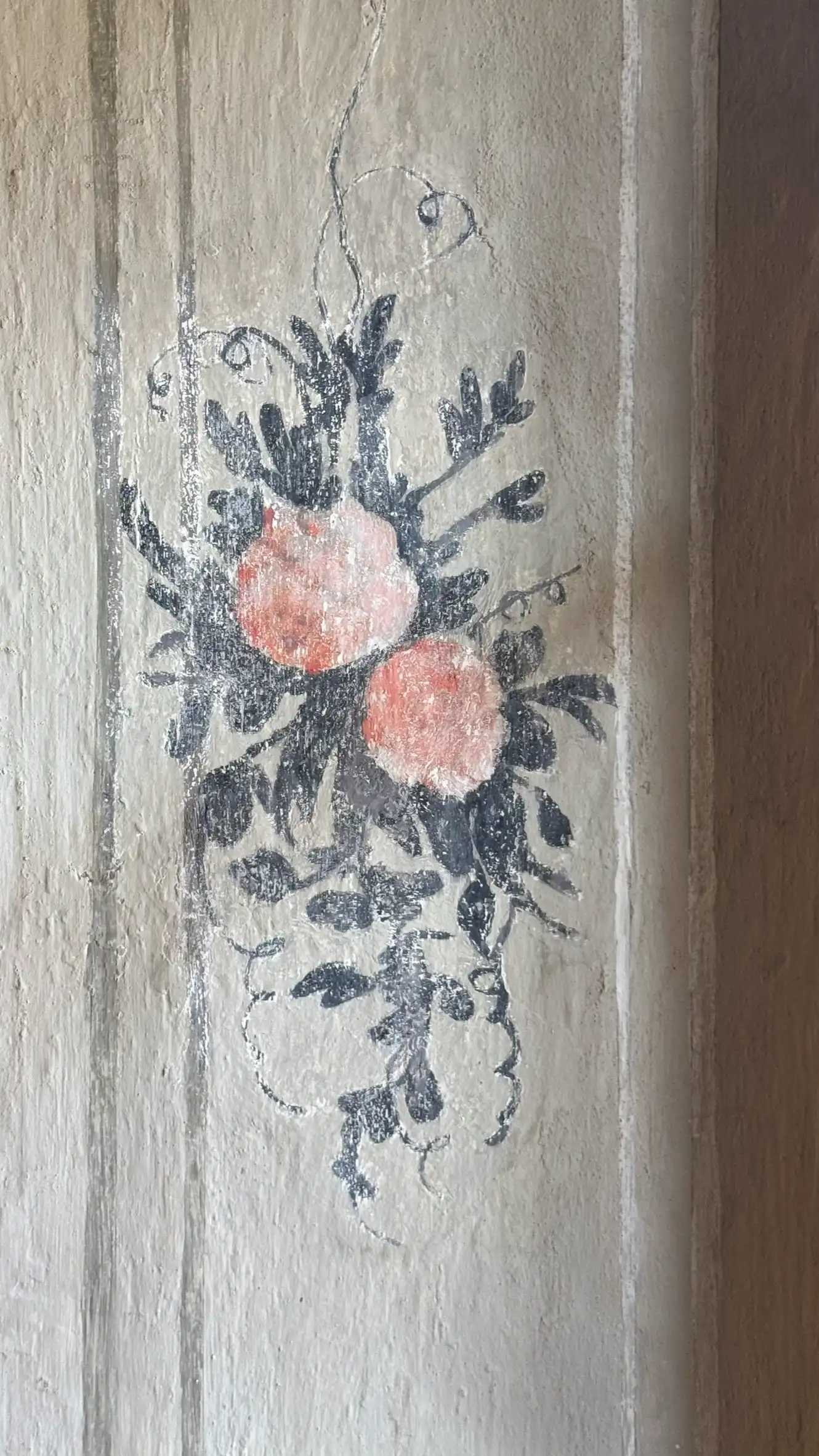
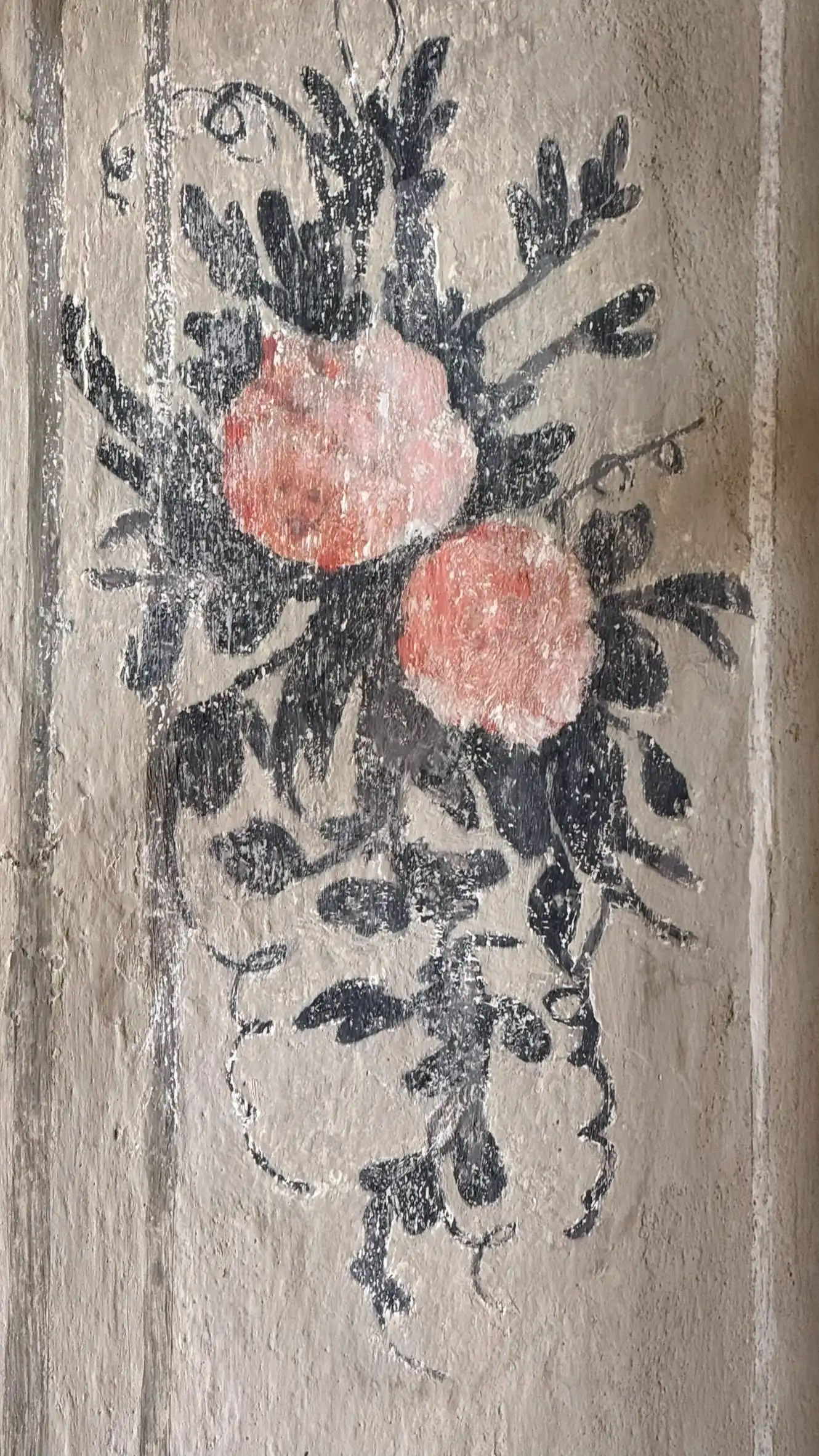
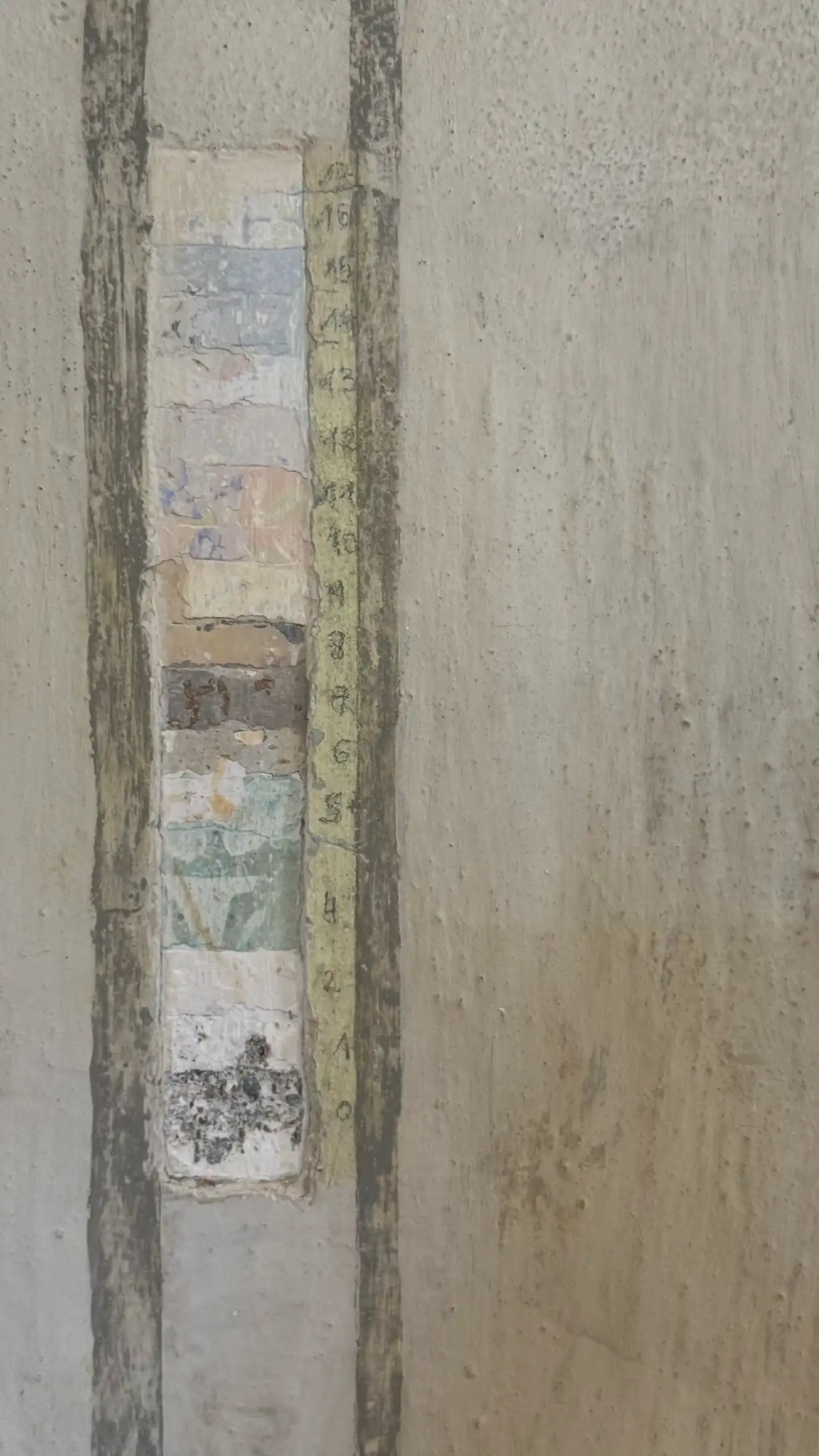
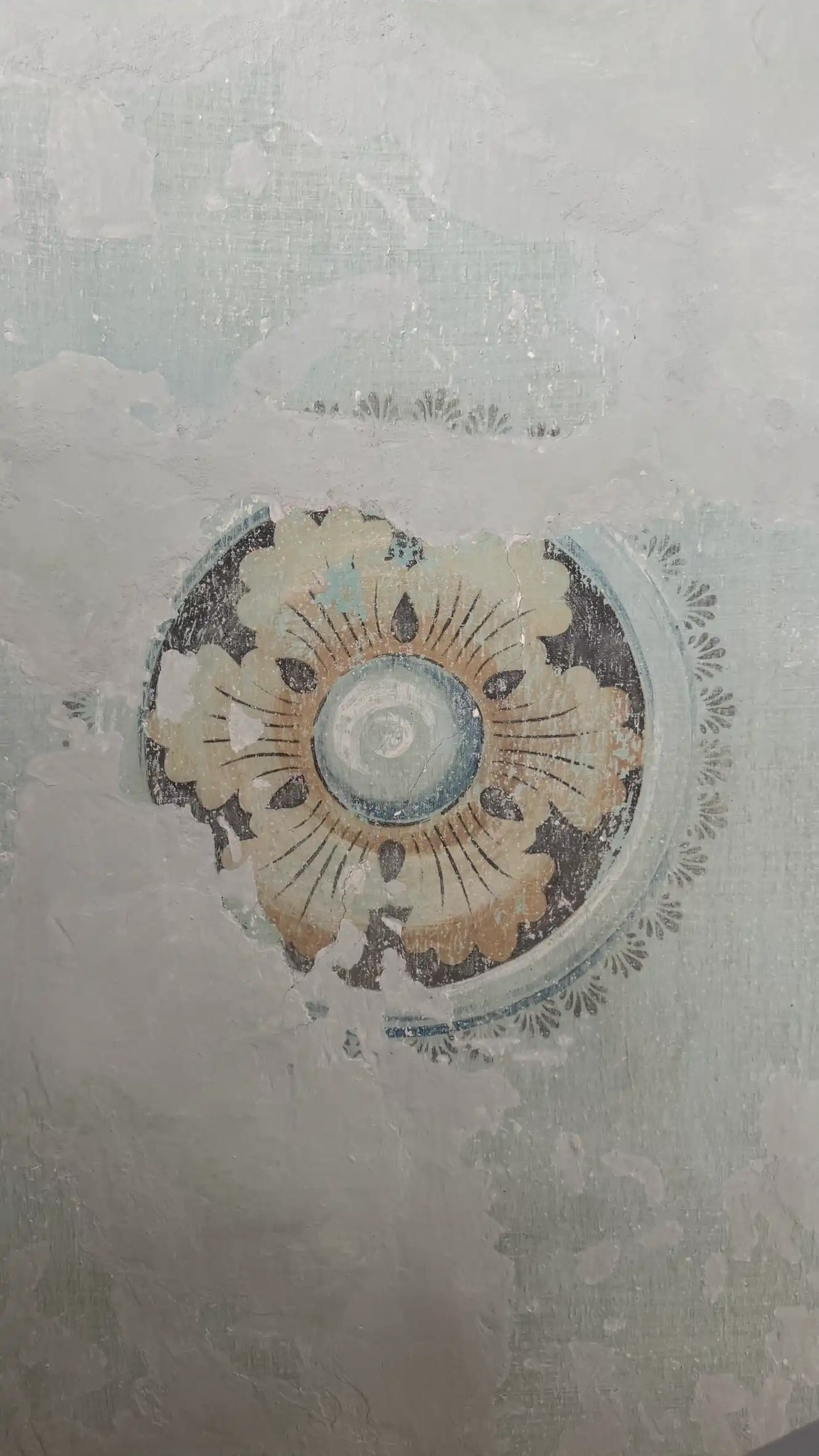
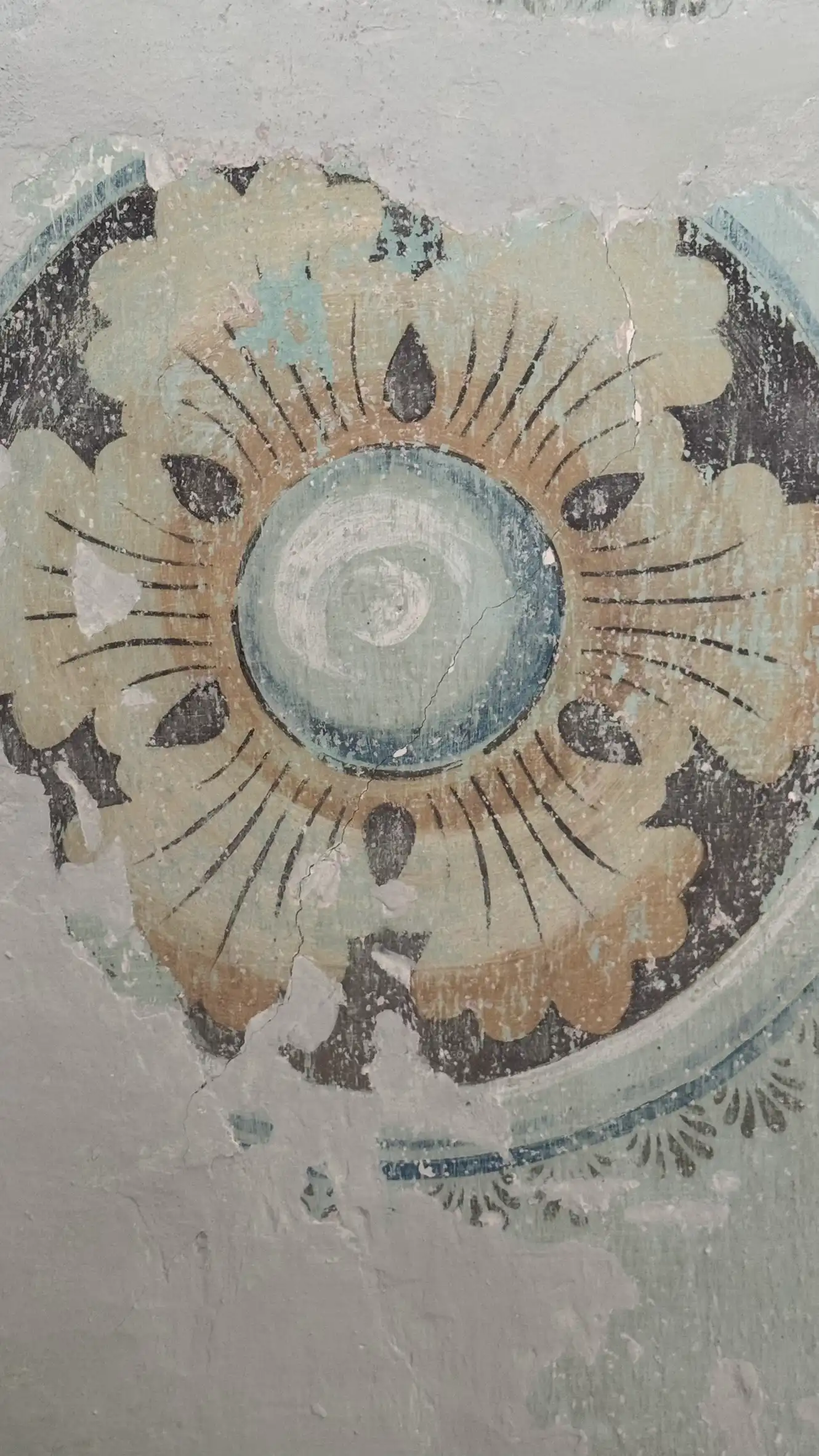
Gallery 3 | Interior | Frescoes
Restoration of a Biedermeier Burgher’s House
From near ruin to restored treasure: for the past eight years, the Moravi family have been breathing new life into a historical burgher’s house in the fortified town of Friesach. Working with remarkable care, they are gradually bringing the building back from the brink.
Jürgen Moravi (architect, conservation specialist and building historian) and his wife Miriam Moravi (an art historian and painter) are the driving force behind the project. Their dedication has now attracted attention across Europe: the property was recently named “House of the Month” by European Historical Houses and introduced online for an international audience.
A decade ago, the listed building appeared destined for collapse. Rainwater was seeping through a failing roof, the structure showed extensive damage, and although the exterior facade had been refurbished a few years earlier, the interior was neglected and the garden swallowed in dense vegetation.
Undeterred, the couple are proceeding with unwavering enthusiasm. In July 2013, they purchased the mid-13th-century house at Fürstenhofgasse 10, determined to save it. Although many more years of work lie ahead, the most important milestone has been reached: a once-empty building now has a future – and a family – once more.